How to prepare for a flight with a child, what to pack in your carry‑on, and how to get through it with minimal stress.
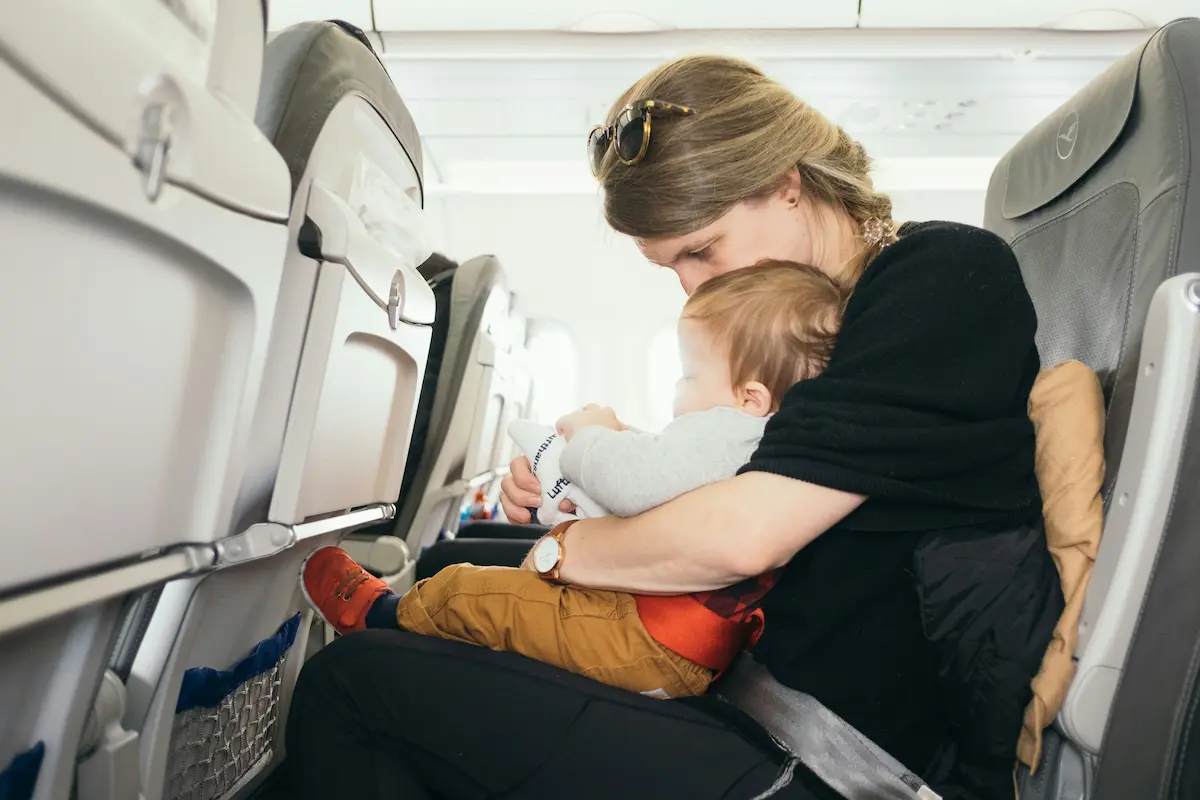
Traveling by plane with a baby sounds to many parents like a horror movie script: a confined space, dozens of strangers, and your child who decided to put on a concert at an altitude of 10,000 meters. But in reality, it's not that scary! The key to success — thorough preparation and the right mindset. This step-by-step guide will help you get ready for the flight, pack the perfect carry‑on, and experience the journey with minimal stress for you and your little one.
1. Choosing the Flight and Seats: Strategic Planning
Your comfort starts already at the ticket‑buying stage. If possible, choose night or early‑morning flights that align with your child’s sleep schedule. There’s a good chance the baby will sleep through most of the journey. At check‑in, request a seat in the front row — there’s usually more legroom, and you won’t be disturbing passengers ahead of you. Some airlines also offer special bassinets for infants that attach to the wall (it’s worth finding out about this in advance).
2. Carry‑On Luggage: Your Survival Kit
Rule number one: never check in the essentials for your child. Your backpack or bag is your rescue island, where everything must be included. We recommend using our general travel checklist, adapting it for the airplane.
- Diapers: Pack one diaper per hour of flight, plus a few spares.
- Clothing: At least two full change sets for the baby and an extra t‑shirt for yourself. It can be chilly on the plane, so layered clothing is ideal.
- Feeding: Bring more food than you think you’ll need (the flight may be delayed). Water, ready‑made formula, puree in pouches, baby biscuits. Liquid‑carrying rules usually don’t apply to baby food, but it’s best to confirm with your airline.
- First‑aid kit: Fever reducer, decongestant nasal drops (they also help with ear blockage), antihistamine, plasters. The full list can be checked in our article about a baby first‑aid kit.
- Toys: A few favorite but quiet toys, and definitely 1–2 new ones you can pull out in a crisis. Sticker books or window books are great distractions.
- Sling or ergonomic carrier: An indispensable item at the airport that frees your hands and also helps soothe the baby on the plane. If you’re unsure which to choose, read our carrier review.
3. Takeoff and Landing: Saving the Ears
The biggest discomfort for infants during a flight is ear blockage caused by pressure changes. A baby can’t "pop" them consciously, but you can help. Swallowing motions equalize pressure in the middle ear. So during takeoff and landing, offer the little one:
- Breast
- A bottle with water or formula
- Pacifier
Start feeding or sucking as soon as the plane begins to accelerate or descend, without waiting for the child to feel discomfort.
4. Stay Calm and Don’t Hesitate to Ask for Help
Children, like tiny radars, accurately pick up on their parents’ emotional state. If you get nervous, the baby will start to worry too. Take a deep breath and remember: you’re doing everything you can. Don’t be afraid to ask flight attendants for help — warming water for formula, holding the baby while you use the restroom. You’re not the first nor the last parents on this flight.
Flying with a baby is undoubtedly a challenge. But it’s only a temporary hurdle on the way to new experiences and wonderful memories. Your preparation, calmness, and confidence are the best things you can give your child on this little airborne adventure.


