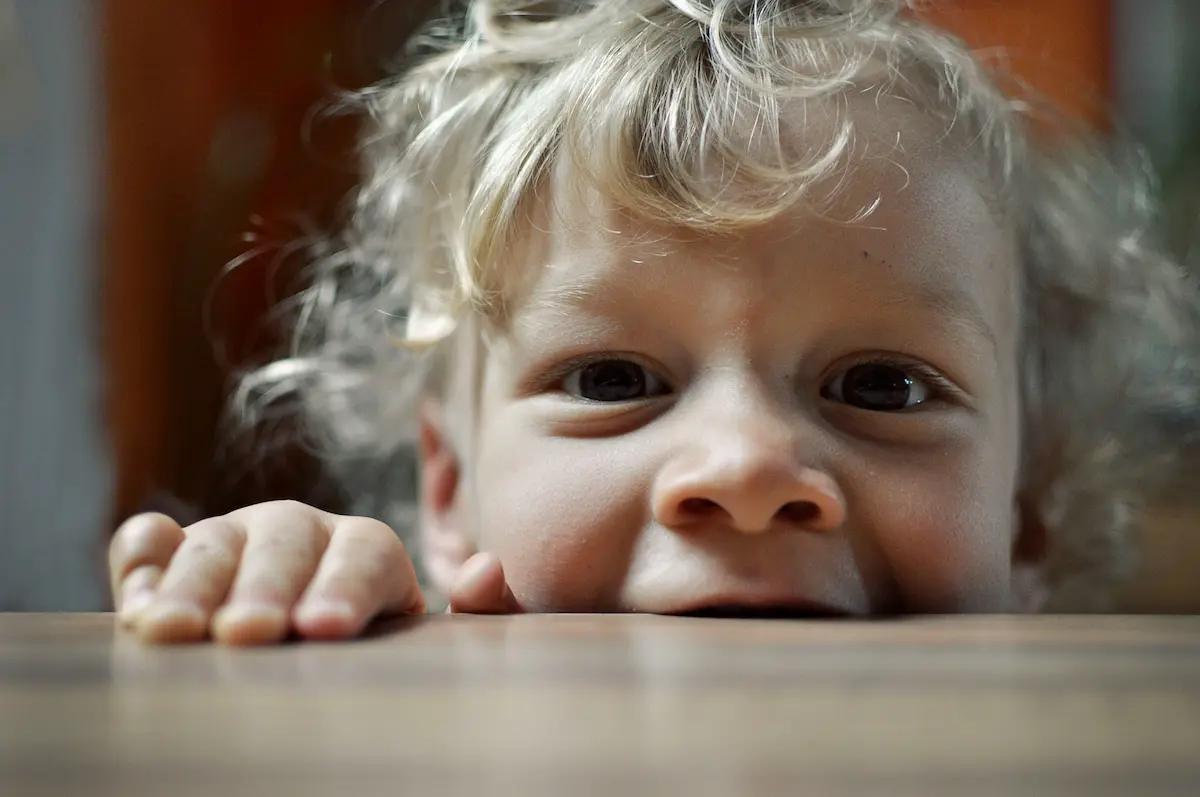
Here it is, that long‑awaited and at the same time slightly frightening moment: your baby has started crawling! The world that was previously limited to a crib and a play mat suddenly expands to the size of an entire apartment. For the little one, this is the beginning of an era of big explorations, and for parents – a time to turn their home into a true safety fortress. Ordinary and seemingly harmless items can pose a serious threat to a curious crawler. “Baby‑proofing”, or creating a safe space, isn’t about excessive worry, but about proactive care that lets you be more relaxed and your child explore the world freely and safely.
Main rule: see the world through your child’s eyes
The most effective way to spot every potential hazard is to get down to the child’s level. Literally. Crawl around your apartment on all fours. You’ll be surprised how many interesting and dangerous things you’ll see: uncovered outlets, dangling cords, unstable furniture, small objects under the sofa. This exercise will help you develop your own action plan.
Step‑by‑step safety checklist: checking room by room
It’s best to act systematically, inspecting each area of your home.
General safety for all rooms:
- Electricity: This is priority #1. Install plug covers on absolutely every accessible outlet. Hide or securely fasten all cords and extension leads.
- Sharp corners: Apply silicone or soft corner guards to all sharp edges of tables, nightstands, dressers.
- Doors: Install special door stoppers so the child cannot pinch their fingers.
- Furniture: **Mandatory** anchor all tall and unstable furniture to the wall: shelves, dressers, cabinets, TVs. This is one of the most serious hazards.
- Windows and balconies: Install special locks or handles with a key on windows that prevent the child from opening them. Balcony doors must always be securely closed.
- Small objects: Remove from lower shelves and reachable areas anything the child could swallow: coins, batteries, buttons, magnets, jewelry.
Kitchen: high‑risk area
- Stove: Install a protective guard on the stove. Cook on the back burners, turning pot and pan handles toward the wall.
- Cabinets and drawers: Install locks on all drawers and cabinets where cleaning chemicals, medicines, knives, spices, bulk foods are stored.
- Cleaning chemicals and medicines: Move them to the highest and inaccessible shelves.
- Tablecloths: Do away with hanging tablecloths. A child could pull the edge and tip over everything on the table.
- Trash can: It should be out of the child’s reach.
Bathroom
- Access: The bathroom door should always be closed.
- Cleaning chemicals and cosmetics: Keep everything out of reach.
- Toilet: The toilet lid should always be down. You can install a special lock.
- Bath time: Never leave the child unattended in water for even a second. Use a non‑slip mat.
Living room and bedroom
- Plants: Check that you don’t have any poisonous houseplants. Move all pots to an unreachable spot.
- Blind and curtain cords: They should be short and secured to avoid strangulation risk.
- Small items on lower shelves: Remove books, figurines, photo frames that the child could break or knock onto themselves.
Creating a “safe zone”
The ideal solution is to create a large, completely safe floor space for the child where they can move around and play freely. This can be a special playpen or simply a part of the room cleared of furniture and hazardous items.
Offer the child safe and beneficial toys that are appropriate for their age. This will help satisfy their curiosity in controlled conditions.
Remember, your goal isn’t to create a sterile vacuum, but to minimize serious risks. The child will fall, get bruises, and that’s a normal part of their development and exploration of the world. Your task is to ensure these little adventures don’t have serious consequences. Timely baby‑proofing is the best expression of your love and care.