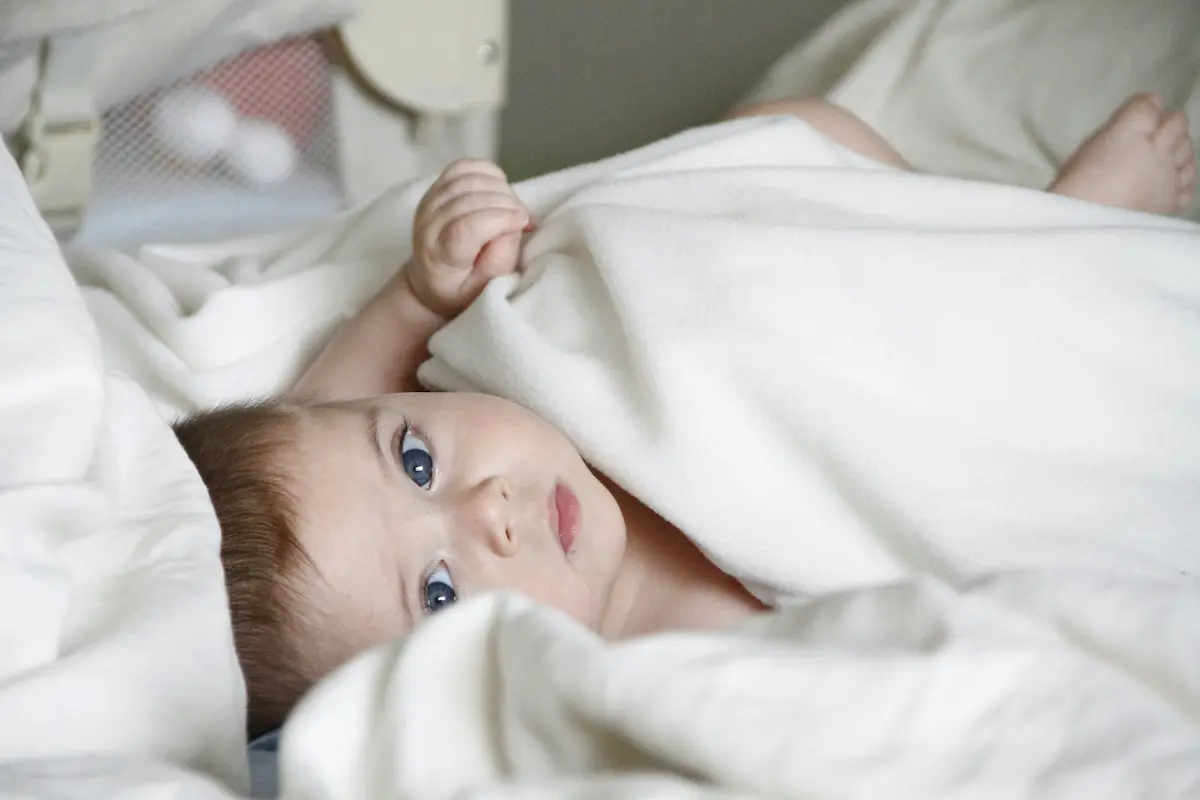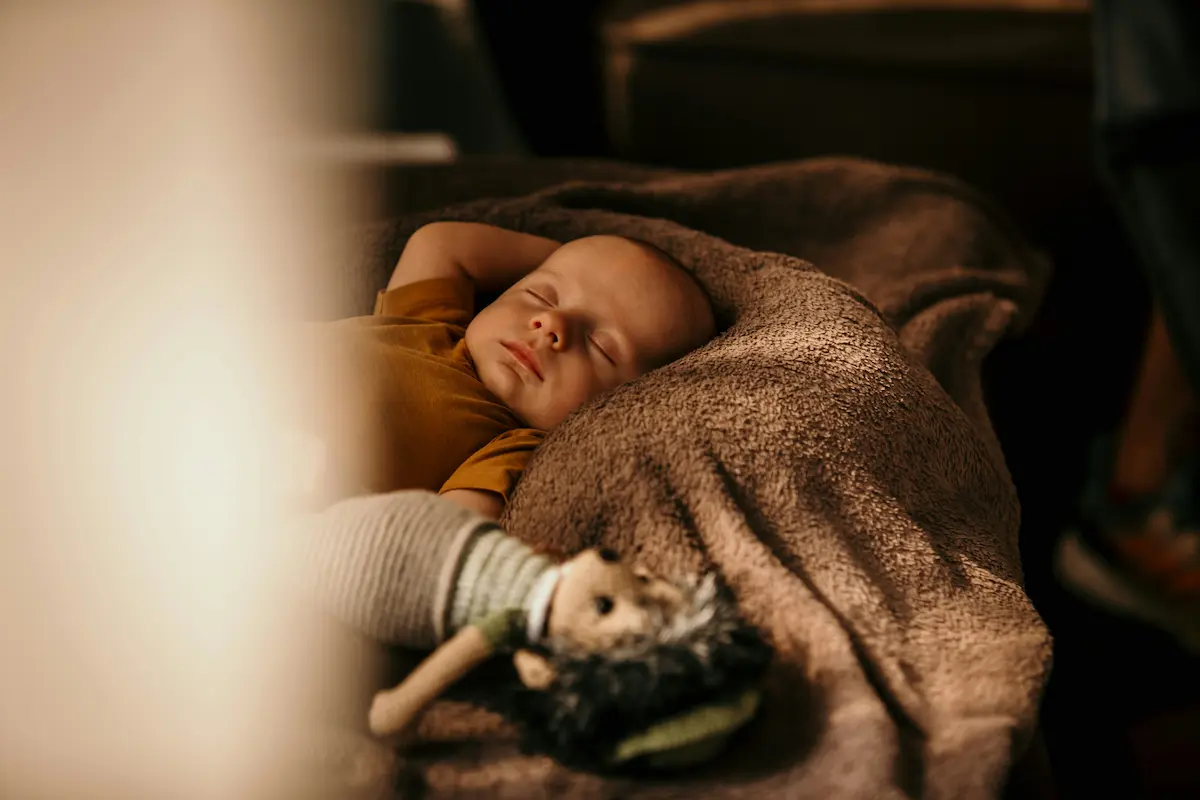
The process of putting a child to sleep is one of the most intimate yet potentially stressful moments in the life of a young family. Many parents dream of their little one falling asleep peacefully and happily in their crib, but in practice this often turns into prolonged rocking, tears, and exhausting battles. The key to calm sleep is not secret techniques or magic, but a simple yet extremely powerful tool — **bedtime ritual**. It is a sequence of familiar, soothing actions that is repeated daily in the same order and serves as a clear signal to the child: "Active time is over, rest lies ahead".
Why Rituals Are So Important? Psychology and Physiology
For an infant, whose world is filled with new impressions and discoveries, predictability equals safety. A bedtime ritual is a kind of "buffer" between an active day and a calm night (or daytime) sleep.
- Creates a sleep association: The child's brain learns to link a certain sequence of actions with the upcoming sleep. Over time, even the first steps of the ritual (e.g., bathing) begin to induce drowsiness.
- Helps the child relax: Soothing actions help the child's nervous system shift from a state of arousal to a state of slowing down, which is a necessary condition for falling asleep.
- Strengthens emotional bonding: This is your special time with the child, filled with tenderness and undivided attention. It satisfies the child's basic need for safety and love, which is the foundation of secure attachment.
- Eases the experience of sleep regressions: During periods when a child's sleep temporarily worsens, a familiar and consistent ritual becomes that "anchor" that helps return to the usual rhythm more quickly.
When to Start and What Should an Ideal Ritual Look Like?
Simple elements of the ritual can be introduced from the first weeks of life, gradually making it more elaborate as the child ages. An ideal ritual should be:
- Soothing: Avoid active, stimulating games.
- Consistent: Always perform the actions in the same order.
- Brief: For an infant, 15–30 minutes is sufficient.
- Pleasurable for everyone: It should bring enjoyment not only to the child but also to you.
"Building Blocks": How to Assemble Your Unique Ritual
You can combine any of these elements to create a ritual that fits your family perfectly.
1. Warm Bath
Bathing is a wonderful way to relax muscles and release the tension accumulated during the day. Warm water promotes a gentle drop in body temperature after the bath, which is a physiological signal for sleep. For details, read the article "First Bath".
2. Changing Clothes and Hygiene
Changing the diaper and dressing the child in sleep pajamas is a clear signal of a shift in activity. At this time you can give a light, soothing massage with baby oil or lotion.
3. Feeding
Feeding (breast or bottle) can be part of the ritual, but try to ensure it is **not the last** element. This helps avoid forming a strong association of "food = sleep".
4. Interaction and Reading
- Reading a book: Even for the youngest, looking at pictures and hearing your calm voice is extremely soothing.
- Lullaby: Singing, even if you think you have no voice, works on the child magically.
- "Conversation" about the day: In a quiet, calm voice, tell the little one how his day went.
5. Creating a Sleep Atmosphere
- Darkening: Cover the windows, turn off bright lights, leave only a dim nightlight.
- "White noise": A monotone sound helps block household noises and reminds of womb sounds.
- Hugs and a kiss: End the ritual with words of love ("I love you", "Sweet dreams") and place the child in its safe sleep space still drowsy but not asleep.
Example Ritual for an Infant (6-8 months):
Time: 20-30 minutes
- Warm bath (10 min).
- Changing into pajamas, diaper change, light foot massage (5 min).
- Feeding in a darkened room (10 min).
- Reading one short book or singing a lullaby (3-5 min).
- Hugs, kiss, key phrase "Good night, my little one".
- Placing in the crib with white noise turned on.
Consistency and regularity are your main allies. The effect may not be immediate, but after 1–2 weeks you will notice that your child falls asleep much more calmly and quickly. Creating rituals is not training; it is an expression of care and respect for the needs of your little one's nervous system.