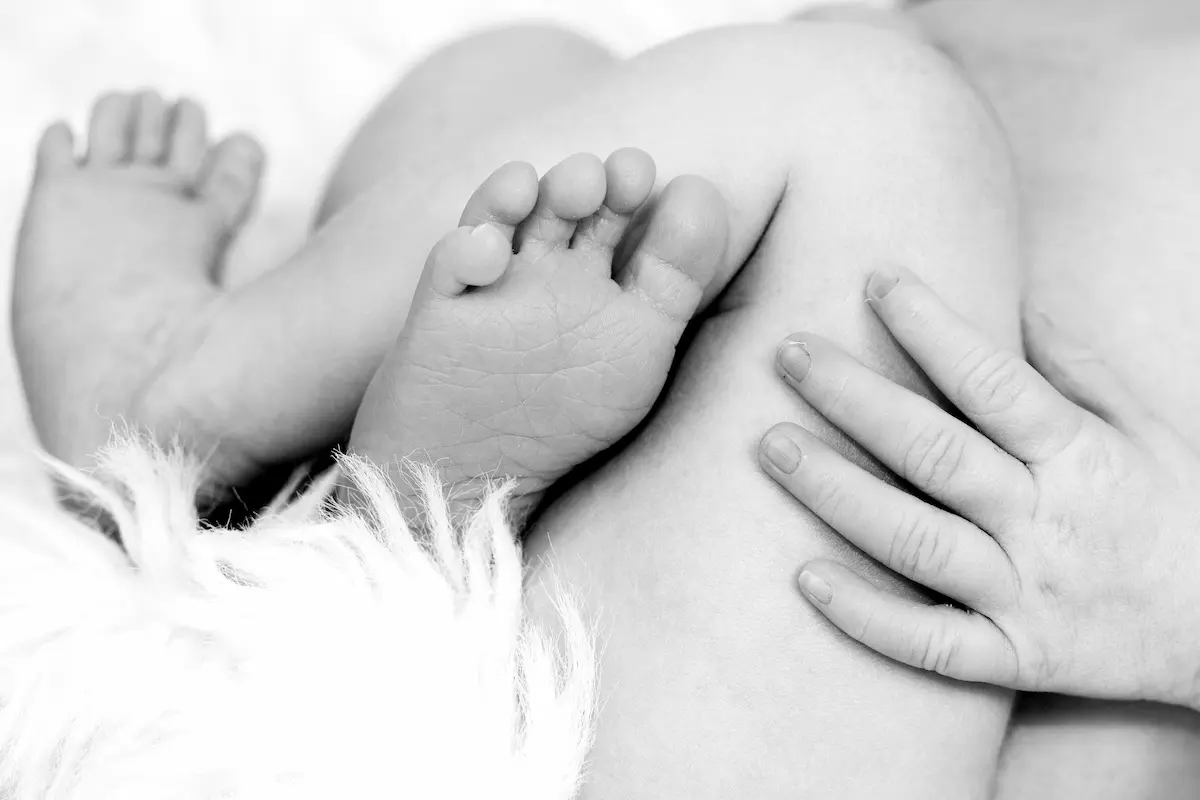
The newborn's skin is amazingly delicate, velvety, and at the same time extremely vulnerable. It is much thinner than adult skin, and its protective barrier is not yet fully formed. Therefore, proper skin care is one of the key aspects of a baby's health in the first months of life. The most common problem that virtually all parents encounter is diaper dermatitis, or, simply put, diaper rash. The appearance of red, irritated areas under the diaper can cause concern, but it is important to know: in most cases this is not a sign of illness or poor care, but a common skin reaction to specific conditions. This guide will help you understand the causes of diaper dermatitis and, most importantly, learn how to effectively prevent and treat it.
What is diaper dermatitis and why does it occur?
Diaper dermatitis is inflammation of the skin in the area that contacts the diaper (buttocks, thighs, genital area). It is not an infectious disease, but a contact dermatitis caused by a combination of several factors:
- Excess moisture: Prolonged contact of the skin with urine and stool softens its top protective layer, making it vulnerable.
- Friction: Constant rubbing of the diaper against delicate skin causes mechanical irritation.
- Chemical irritants: Enzymes (ammonia, proteases, lipases) present in stool aggressively affect the skin, destroying its protective barrier.
- pH change: Urine raises the skin's pH, which activates stool enzymes and creates favorable conditions for bacterial growth.
Sometimes, on top of ordinary irritation, a secondary infection may develop, most often fungal (candidiasis), which will require specific treatment.
Prevention — the best treatment: golden rules of care
It is much easier to prevent dermatitis than to treat it. The basis of prevention is minimizing skin contact with irritants. We also discuss this in our article \"All About Diapers\".
- Frequent diaper changes: This is rule number one. For a newborn, the norm is to change the diaper every 2-3 hours, and also immediately after each bowel movement. Do not wait for the diaper to become full.
-
Proper cleaning:
- The best choice — warm water. With each diaper change, it is ideal to rinse the baby under running warm water without soap.
- Wet wipes — for travel. If you use wipes, choose those that do not contain alcohol or fragrances.
- For girls, rinse from front to back, to avoid bacteria from the anus reaching the vagina.
- Thorough drying: Moisture is the main enemy. After rinsing, do not rub the skin with a towel, but gently pat it with a soft cloth or paper towel.
- Air baths: This is an extremely effective method. After each diaper change, let the baby lie naked for 5-15 minutes. This allows the skin to fully dry and \"breathe\".
- Use of barrier cream: Special diaper creams based on zinc oxide create a protective film on the skin that repels moisture and prevents contact with irritants. Apply the cream in a thin layer with each diaper change, especially at night.
How to treat diaper dermatitis once it has appeared?
If you notice mild redness, do not panic. In most cases it can be managed at home by strengthening preventive measures.
- Maximize cleanliness and dryness: Change the diaper even more frequently than usual. Prefer rinsing with water over wet wipes as much as possible.
- Increase the duration of air baths.
- Apply therapeutic cream in a thick layer. For mild dermatitis, use a cream with a high zinc oxide content (20-40%). Apply it in a thick layer, like butter on bread, to create a reliable barrier.
\"Red flags\": when to see a pediatrician
Consult a doctor if:
- Redness does not diminish or worsens within 2-3 days of home care.
- The rash becomes bright red, shiny, with clearly defined spots or small \"pimples\" around the main affected area (this may indicate a fungal infection).
- Blisters, ulcers, pus-filled spots, or moist areas appear.
- The baby becomes very restless, cries during rinsing or when the affected area is touched.
- The baby develops a fever.
The doctor will assess the skin condition and may prescribe special therapeutic ointments (antifungal or antibacterial). Proper daily hygienic care is the foundation of skin health. Remember, your consistency and attentiveness are the best protection for your baby's delicate skin.