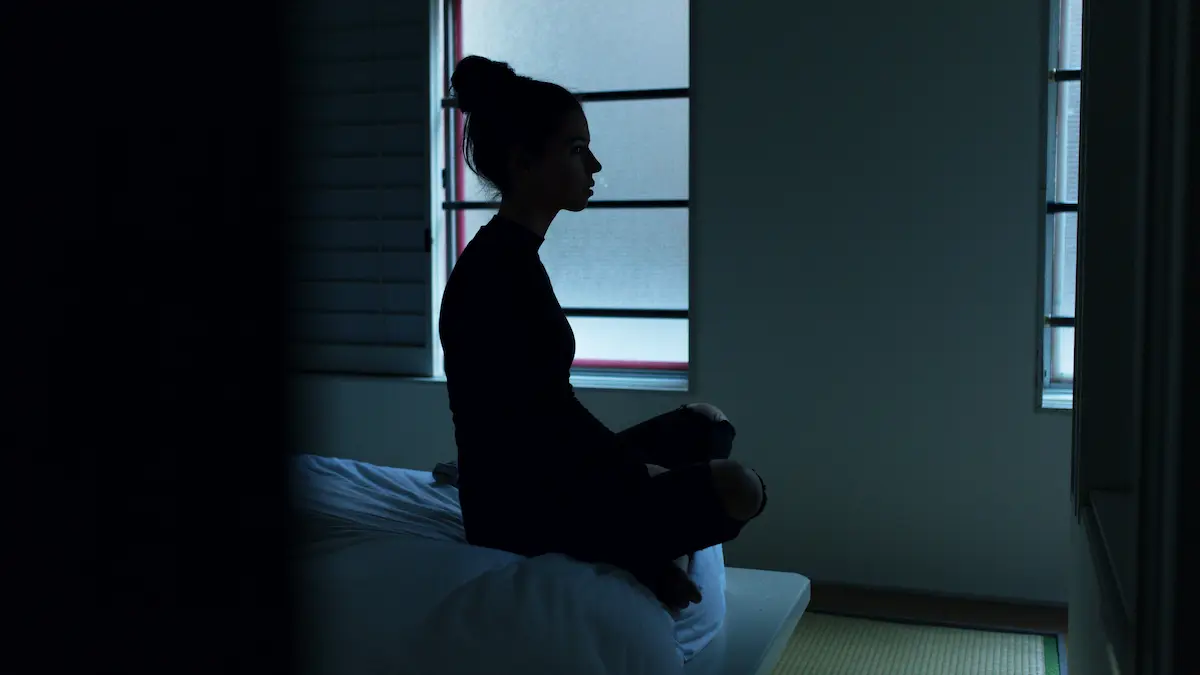
The first weeks after a child's birth are a time of incredible love, tenderness, and at the same time massive changes. Amid the joy of meeting the baby, many women encounter unexpected emotional swings: tears for no reason, irritability, sadness. It is very important to know that this is an absolutely normal reaction of the body to the changes it has just undergone. However, sometimes this state can turn into something more serious. Being able to distinguish temporary \"baby blues\" from postpartum depression is a key skill that allows you to seek help in time and take care of your mental health.
\"Baby Blues\" (Baby Blues): tears that wash away hormones
Baby blues is a short‑term state of emotional instability experienced by up to 80% of postpartum women. It is not an illness, but a physiological reaction to the sharp drop in pregnancy hormone levels (estrogen and progesterone) after delivery. Imagine your body is going through a real \"hormonal withdrawal\".
Key signs of baby blues:
- Onset time: Usually on day 3‑5 after delivery.
- Symptoms: Increased tearfulness (tears may come at any minor trigger), rapid mood swings, mild anxiety, irritability, feeling of being down.
- Main criterion — duration: Baby blues **resolve on their own within a few days, up to a maximum of 2 weeks** after delivery.
- Impact on functioning: Despite the tears, a woman usually can care for the baby and enjoy moments of contact with her.
How to help yourself?
The best medicine is rest, support, and understanding.
- Rest: Sleep when the baby sleeps. Forget about perfect order in the house. Your physical recovery directly affects your emotional state.
- Talk about your feelings with your partner and close ones.
- Accept help: Don't refuse if someone offers to bring food or walk with the stroller.
Postpartum Depression (PPD): when it's more than just sadness
Postpartum depression is not a \"bad character trait\" or \"weakness\", but a **serious medical condition** that requires diagnosis and treatment. It affects 10‑15% of young mothers and, unlike baby blues, does not resolve on its own.
Medical criteria and symptoms of PPD:
A diagnosis is made if a depressed mood and/or loss of interest in life persist **for more than two weeks** and are accompanied by at least several of the following symptoms:
- Persistent depressed mood, sadness, feeling of emptiness, tears for most of the day.
- Loss of interest and pleasure (anhedonia) in things that previously brought joy (hobbies, socializing, food).
- Significant changes in appetite or weight (without conscious effort).
- Sleep disturbances: Insomnia, even when the baby sleeps, or, conversely, excessive drowsiness.
- Severe fatigue and loss of energy, that does not improve after rest.
- Feelings of worthlessness, excessive guilt. A woman may unjustifiably blame herself for being a \"bad mother\".
- Difficulty concentrating and making decisions.
- Difficulty with emotional bonding with the baby, feeling of indifference or, conversely, excessive anxiety about her.
- Recurrent thoughts of death, suicide, or harming oneself or the baby.
PPD can develop at any time during the first year after delivery, but most often within the first 3 months.
Baby Blues vs. Postpartum Depression: Key Differences
| Criterion | Baby Blues | Postpartum Depression |
|---|---|---|
| Onset | Day 2‑5 after delivery | Anytime during the first year |
| Duration | Up to 2 weeks, resolves on its own | Lasts weeks/months, requires treatment |
| Intensity | Mild mood swings | Deep sadness, apathy, hopelessness |
| Impact | Does not hinder caring for the baby | Significantly impairs ability to function |
When and how to seek help: don't be afraid of this step
Contact a doctor if:
- Baby blues symptoms have not resolved after 2 weeks.
- Symptoms are very intense and interfere with caring for yourself and the baby.
- You have thoughts of harming yourself or the baby (in this case help is needed **immediately**).
Whom to contact?
- Your gynecologist or family doctor. This is the first person to talk to. They can conduct a screening and refer you to a specialist.
- Psychologist or psychotherapist. Psychotherapy is an effective method for treating PPD.
- Psychiatrist. Only a psychiatrist can make an official diagnosis and, if needed, prescribe antidepressants, many of which are compatible with breastfeeding.
Remember, postpartum depression is an illness, not a choice. Seeking help is not a sign of weakness, but a display of great strength and love for yourself and your child. You deserve to enjoy motherhood.