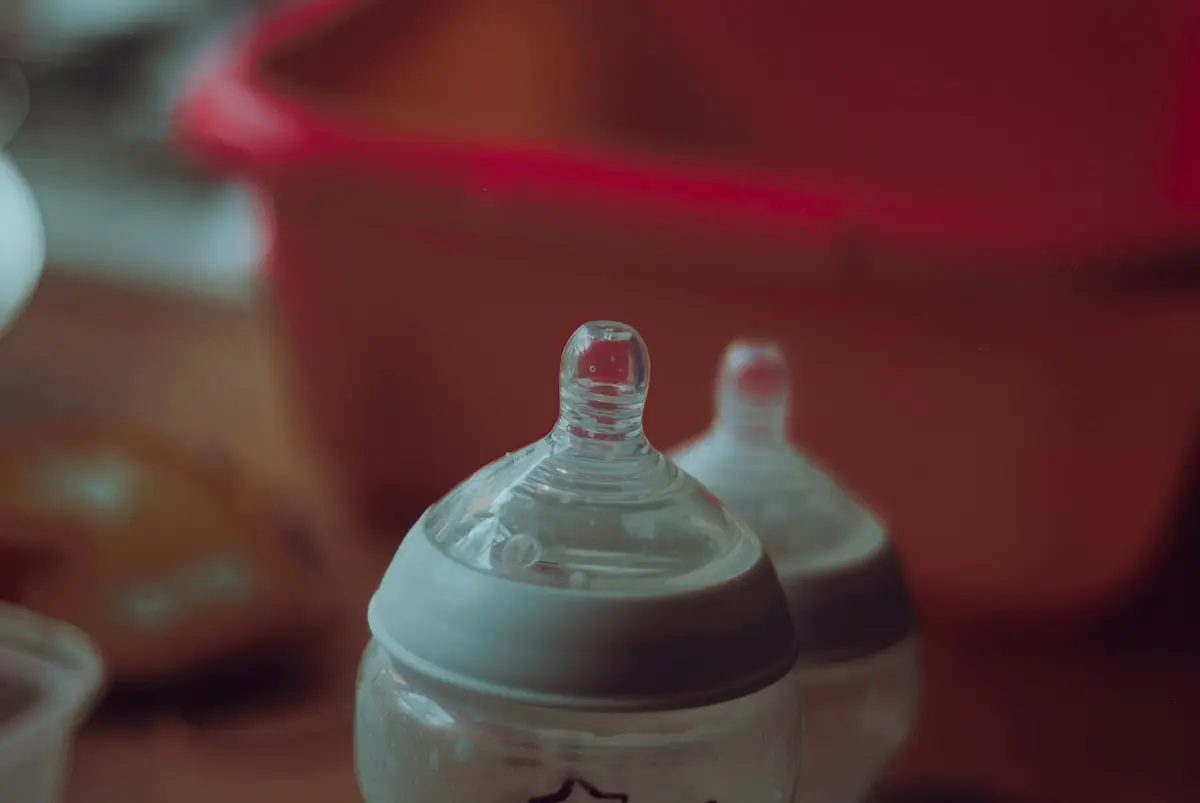
The decision to feed a child with adapted infant formula is a conscious choice made by millions of families worldwide for a variety of reasons. It is important to understand right away: modern infant formulas are high‑technology, safe, and complete nutrition that can provide your baby with all the necessary nutrients for healthy growth and development. Artificial feeding, organized with love, care, and strict adherence to clear rules, is a wonderful alternative to breastfeeding. This guide is created to be your reliable helper, dispel worries, and provide comprehensive, evidence‑based information about choosing a formula, strict hygiene rules, and organizing a comfortable feeding process.
Step 1: Choosing a formula — keep it simple
When you enter a baby store or pharmacy, you will see a huge assortment of formulas: "comfort", "hypoallergenic", "anti‑reflux", "lactose‑free". This can be disorienting. However, the golden rule of pediatrics is:
For a healthy full‑term infant without special medical needs, the best choice is a standard, highly adapted formula "1" (for babies from 0 to 6 months) based on cow’s milk.
All formulas registered in Ukraine undergo strict quality control, and their basic composition is very similar. A more expensive formula does not always mean a better one.
- When is a special formula needed? Switching to a hypoallergenic, lactose‑free, or any other therapeutic formula should occur only by prescription and under the supervision of a pediatrician after an examination and, if necessary, additional tests. Self‑prescribing formulas can harm the child.
- Do you need to change the formula? If the baby eats well, gains weight normally, has no rashes or significant digestive problems, there is no reason to change the formula without a solid cause.
Step 2: Hygiene — a zero‑tolerance zone
A newborn’s immune system is very immature, so cleanliness is an absolute requirement when preparing formula. There can be no compromises here.
- Always wash your hands: Before preparing the formula and feeding, wash your hands thoroughly with soap.
- Sterilization: In the first months of life, all bottles, nipples, and caps should be sterilized at least once a day. This can be done by boiling (5-10 minutes) or using a special steam sterilizer.
- Safe water: Use only specially prepared baby bottled water or tap water that has been boiled and cooled to the required temperature (usually indicated on the packaging).
- Prepare immediately before feeding: This is the golden rule! Ready formula is an ideal medium for bacterial growth. Never prepare formula “in advance.” If the baby does not finish the formula, the leftovers should be discarded, not saved for later.
Following these rules is the guarantee of your baby’s health and the prevention of intestinal infections.
Step 3: The feeding process — comfort and closeness
Bottle feeding is not only about food, but also about emotional bonding.
- Correct preparation: Always follow the instructions on the package. First pour water into the bottle, then add the exact number of measured scoops of formula.
- "Paced Bottle Feeding" (adaptive feeding): This modern approach mimics breastfeeding. Hold the baby in a more upright position and the bottle horizontally so that milk does not flow under pressure. This allows the infant to control the flow, eat more slowly, and avoid overfeeding.
- Hold in your arms: Always feed the baby while holding them, not leaving them alone with the bottle. Look into their eyes, talk — this is your time of closeness.
- Don’t forget about air: After feeding, hold the baby upright ("standing") so they can burp the air swallowed during the meal.
Step 4: Schedule and volume — follow the baby’s cues
Just like with breastfeeding, the best approach is feeding on demand rather than by a strict clock.
- Frequency: Babies on artificial feeding usually eat every 3-4 hours, as formula is digested slightly slower than breast milk.
- Volume: Each formula package includes an approximate volume chart according to age. However, this is only a guideline. Your baby is the best indicator. They will show when they are full by turning away from the bottle.
Reliable signs that the baby is getting enough nutrition are calm behavior, good sleep, an adequate number of wet and dirty diapers, and a steady weight gain monitored by your pediatrician. You can use our feeding tracker to record volumes and frequency.
Remember, the feeding method you choose does not define you as parents. Your love, care, and attention to the child’s needs — that is what truly matters.