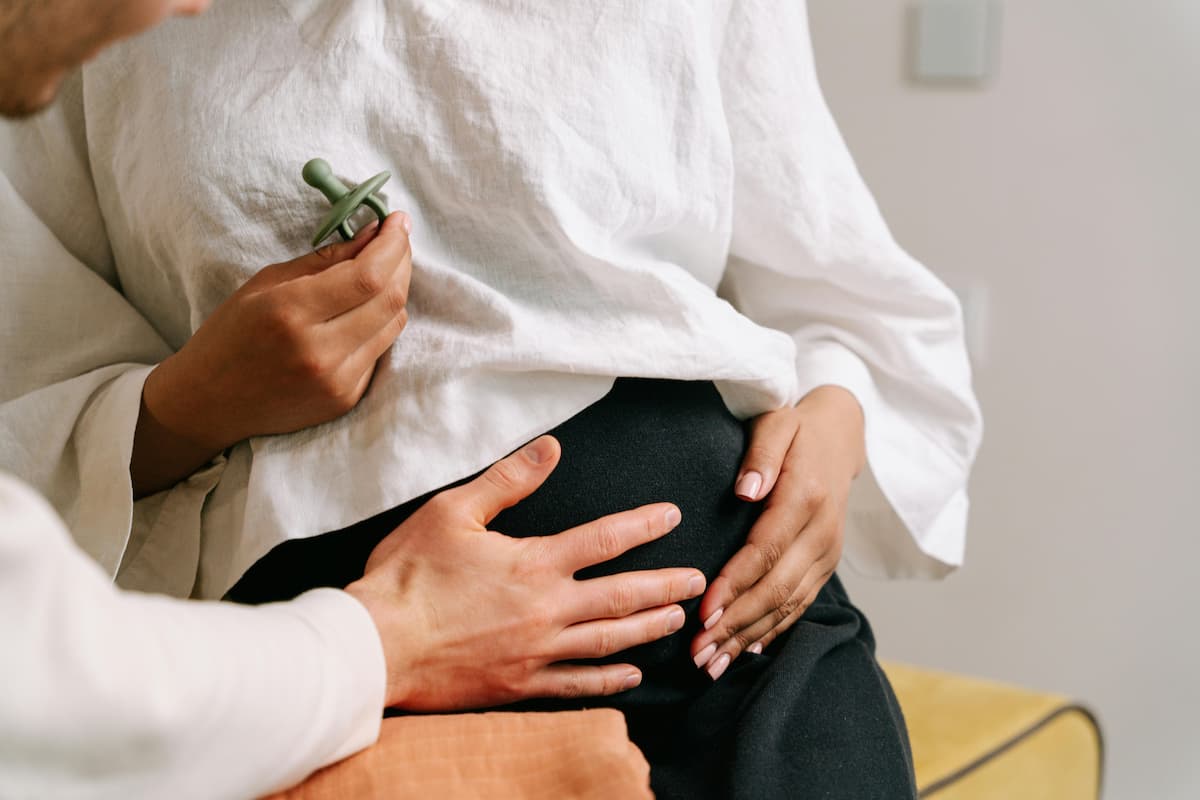
The decision to have a child is one of the most wonderful moments in a couple's life. And once that decision is made, it's completely natural to want to see those coveted two lines as soon as possible. While there is no magic button that guarantees an instant pregnancy, there are concrete, scientifically based steps that can significantly increase your chances and make the planning process more conscious and effective.
Before we begin, it's important to remember: patience is your best friend. Most healthy couples need up to a year to achieve the goal, and that is normal. Now let's look at how you can help nature.
Step 1: Study Your Menstrual Cycle — It's the Main Secret
Conception is possible only within a very narrow time frame called the "fertile window". This includes the five days leading up to ovulation and the day of ovulation itself. That's why understanding your own cycle is the key to success.
- Determine the length of your cycle: Count the days from the first day of one period to the first day of the next. This will help you roughly predict the timing of ovulation.
-
Learn to identify fertile days: There are several effective methods:
- Track your cervical mucus: The appearance of clear, stretchy mucus resembling egg white is the most reliable natural sign that ovulation is approaching.
- Use ovulation tests: These over‑the‑counter tests detect the surge of LH hormone that occurs 24-36 hours before the egg is released.
- Measure your basal temperature: This method helps confirm that ovulation has already occurred.
Step 2: Optimize the Frequency of Sexual Intercourse
When you know your fertile window, it's important to plan intimate closeness correctly.
- Regularity is the key to success: The best strategy is to have sex every 1-2 days throughout the entire fertile window. This ensures that healthy sperm are always "ready" to meet the egg.
- Forget the myths: There is no need to "stockpile" sperm by abstaining from sex. On the contrary, regular ejaculation improves sperm quality. There is also no evidence that certain positions for conception are more effective than others.
Step 3: Adopt a Healthy Lifestyle (for Both!)
Your reproductive health directly depends on your overall bodily condition.
- Balanced nutrition: Provide your body with all the necessary vitamins and minerals. For women, folic acid is especially important, while men need zinc and selenium.
- Normalize your weight: Both excess and insufficient weight can negatively affect hormonal balance and ovulation.
- Give up smoking and alcohol: This is the most important step. Toxins significantly degrade the quality of both eggs and sperm.
Step 4: Schedule a Doctor's Visit
Before you start active attempts, it's worth seeing a doctor. Pre‑conception consultation will help rule out possible medical obstacles, check vaccination status, and provide personalized advice.
Step 5: Stay Calm and Enjoy the Process
Stress is one of fertility's enemies. When you become overly fixated on the outcome, the body produces cortisol, which can disrupt ovulation.
- Don't turn sex into a job: Maintain romance and closeness in your relationship.
- Find relaxation methods: Yoga, meditation, walks — choose what helps you relax.
A mindful approach, caring for health, and patience are your main allies on the road to the dreamed‑of parenthood.