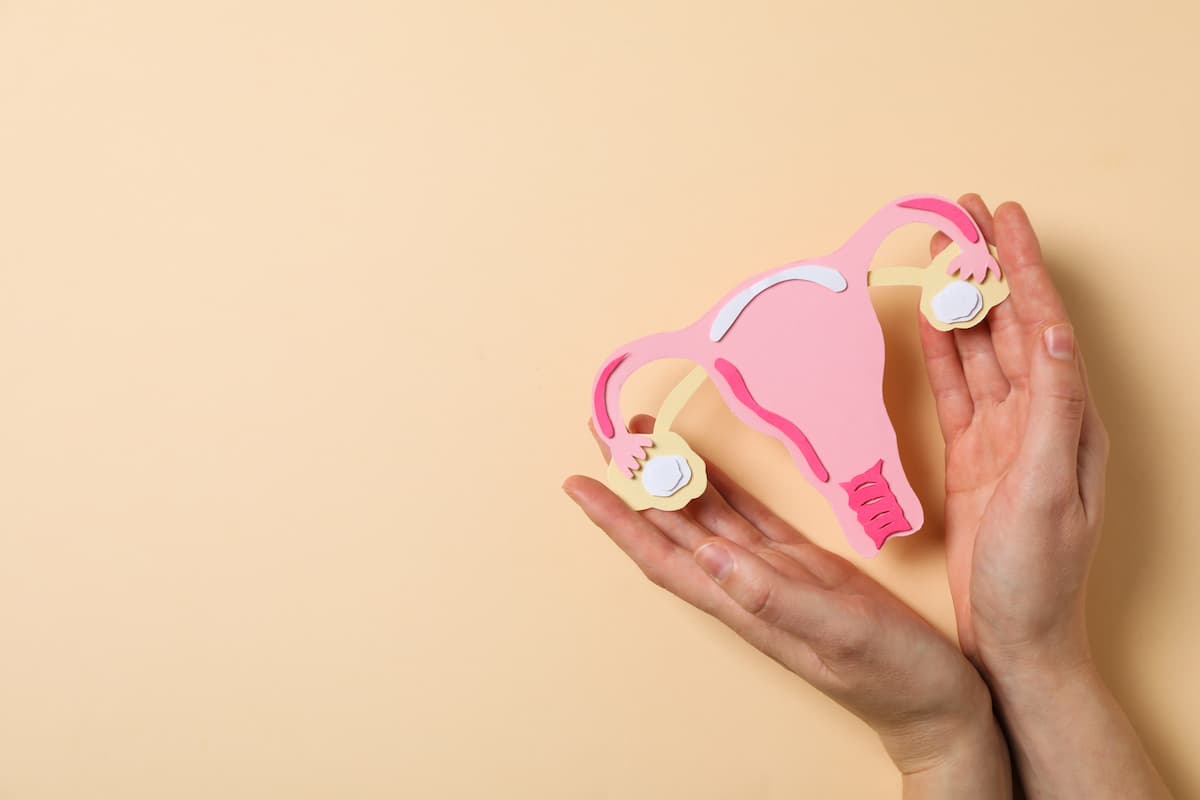
The menstrual cycle is much more than just period days. It is a complex and elegant "symphony" conducted by an orchestra of four main hormones. Understanding their role, interaction, and balance is the key to understanding one's own fertility, the causes of irregular cycles and the entire conception process. Let's get to know these amazing conductors of our body.
Players on the Stage: Brain and Ovaries
The entire process is governed by a complex feedback system between the brain (specifically the hypothalamus and pituitary) and the ovaries. The brain sends hormonal signals to the ovaries, which in turn respond by producing their own hormones that affect both the uterus and back to the brain. Four main protagonists take part in this dance.
1. Follicle-Stimulating Hormone (FSH): "Starter"
As the name suggests, the main task of FSH is to stimulate the growth of follicles in the ovaries at the beginning of each cycle.
- Who produces: Pituitary (the gland at the base of the brain).
- When active: Primarily in the first half of the cycle (follicular phase).
- What it does: It gives the ovaries the command to start "growing" several follicles, each containing an immature oocyte. Imagine FSH as the starting gun for a race in which only one, the strongest follicle, will win.
2. Estrogen: "Builder"
While the follicles grow under the influence of FSH, they begin to actively produce estrogen.
- Who produces: The follicles growing in the ovaries.
- When active: Its level gradually rises throughout the first half of the cycle, reaching a peak just before ovulation.
- What it does:
- Prepares the "nest": Estrogen causes the uterine lining (endometrium) to thicken, preparing it for possible implantation of a fertilized egg.
- Helps sperm: It changes the consistency of cervical mucus, making it thinner and more penetrable. This is one of the key symptoms of approaching ovulation.
- Triggers the next step: When estrogen level reaches its peak, it signals the brain that it's time to release the next player — LH.
3. Luteinizing Hormone (LH): "Trigger"
A sharp and powerful LH surge is the climax of the first phase of the cycle and directly triggers ovulation.
- Who produces: Pituitary.
- When active: The LH surge occurs approximately 24-36 hours before ovulation.
- What it does: This surge forces the dominant follicle to rupture and release the mature oocyte. This is the moment of ovulation. The detection of this LH peak in urine is the basis for all home ovulation tests.
4. Progesterone: "Guardian of Pregnancy"
After the follicle releases the oocyte, it transforms into a temporary gland called the "corpus luteum" and begins producing progesterone.
- Who produces: The corpus luteum in the ovary.
- When active: In the second half of the cycle (luteal phase), after ovulation.
- What it does:
- Maintains the "nest": Progesterone makes the endometrium plush and rich in nutrients, ideal for implantation. Its main task is to support a potential pregnancy.
- Raises temperature: Progesterone causes a slight increase in basal body temperature after ovulation.
If pregnancy does not occur, the corpus luteum degenerates, progesterone levels drop sharply, and this decline triggers menstruation. If pregnancy does occur, progesterone continues to be produced, sustaining it.
Delicate Balance
As you can see, the menstrual cycle is a delicate feedback system. Disruption in the production of any of these hormones can lead to conditions such as anovulation. If you suspect that your hormonal balance may be off, the best course of action is to consult a doctor for diagnosis.