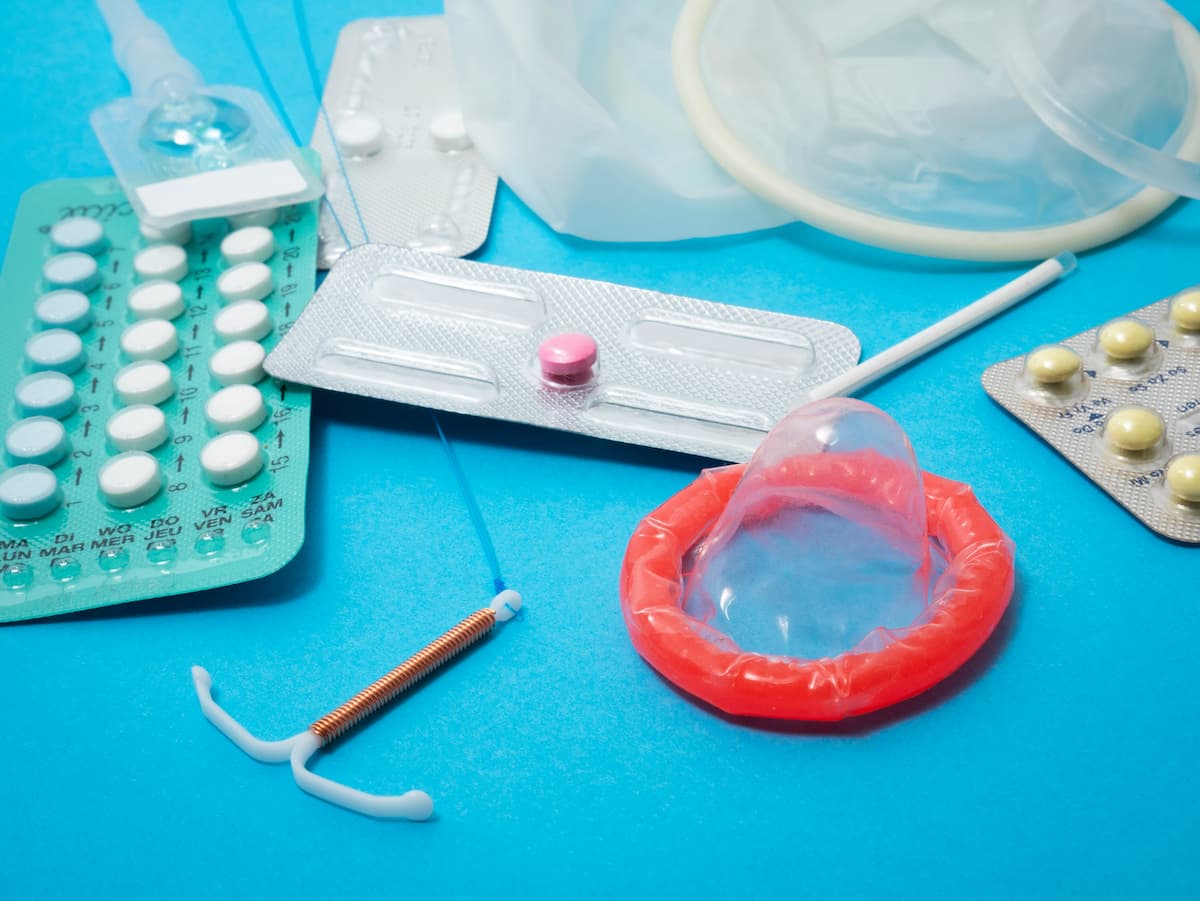
The decision to stop using contraception is an exciting milestone that marks the transition from preventing pregnancy to actively planning for it. This step, although it may seem simple, often raises many questions: "When is the right time to do it?", "How quickly will fertility return?", "Does contraception affect the future child?". Let's explore what you need to know about stopping different types of contraception so that this transition is as smooth and informed as possible.
Golden rule: consultation first, then discontinuation
Before stopping any form of contraception, the ideal step is a pre‑conception consultation with your gynecologist. This is important because:
- The doctor will help ensure that you are healthy and ready for pregnancy.
- You can start taking folic acid in advance, which is critically important for preventing fetal developmental defects.
- Some forms of contraception, such as an intrauterine device, require removal in a clinical setting.
Discontinuing different types of contraception: timelines and specifics
1. Combined oral contraceptives (COCs, birth control pills)
- How to stop: It’s best to finish the current pack to avoid intermenstrual bleeding. However, you can discontinue use on any day.
- When fertility returns: Ovulation can occur as early as the first cycle after discontinuation, i.e., within 2‑4 weeks. Therefore, theoretically you can become pregnant immediately.
- What to know: Don’t worry if the first few cycles are irregular. It may take the body 2‑3 months to return to its natural rhythm. This is completely normal.
2. Intrauterine device (IUD)
-
Hormonal IUD (e.g., "Mirena"):
- How to stop: The device should be removed by a doctor on any day of the cycle.
- When fertility returns: Recovery happens very quickly. Fertility returns almost immediately, already in the first cycle after removal.
-
Non‑hormonal (copper) IUD:
- How to stop: Also removed by a doctor.
- When fertility returns: Instantly. The copper coil does not affect hormonal balance, so your natural cycle is unchanged. You can become pregnant in the same month the IUD is removed.
3. Contraceptive injections
- How to stop: Simply skip the next injection at the scheduled time.
- When fertility returns: This is the only method that can cause a prolonged delay in fertility recovery. On average, returning to regular ovulation may take 6 to 12 months, sometimes even longer. This is important to consider when planning.
4. Barrier methods (condoms, diaphragms)
- How to stop: Simply stop using them.
- When fertility returns: Instantly. These methods have no impact on your hormonal balance or fertility, so you can start trying to conceive right away.
Does contraception affect a future pregnancy?
This is one of the main concerns, but it is unfounded. Numerous studies confirm that **prior use of any type of contraception does not affect the health of the future child** and does not increase the risk of pregnancy complications. Once the drug is cleared from the body, its effect ceases.
Stopping contraception is an important step that marks your readiness for a new stage. Approach it thoughtfully, consult with a doctor, and may this journey be easy and joyful for you.