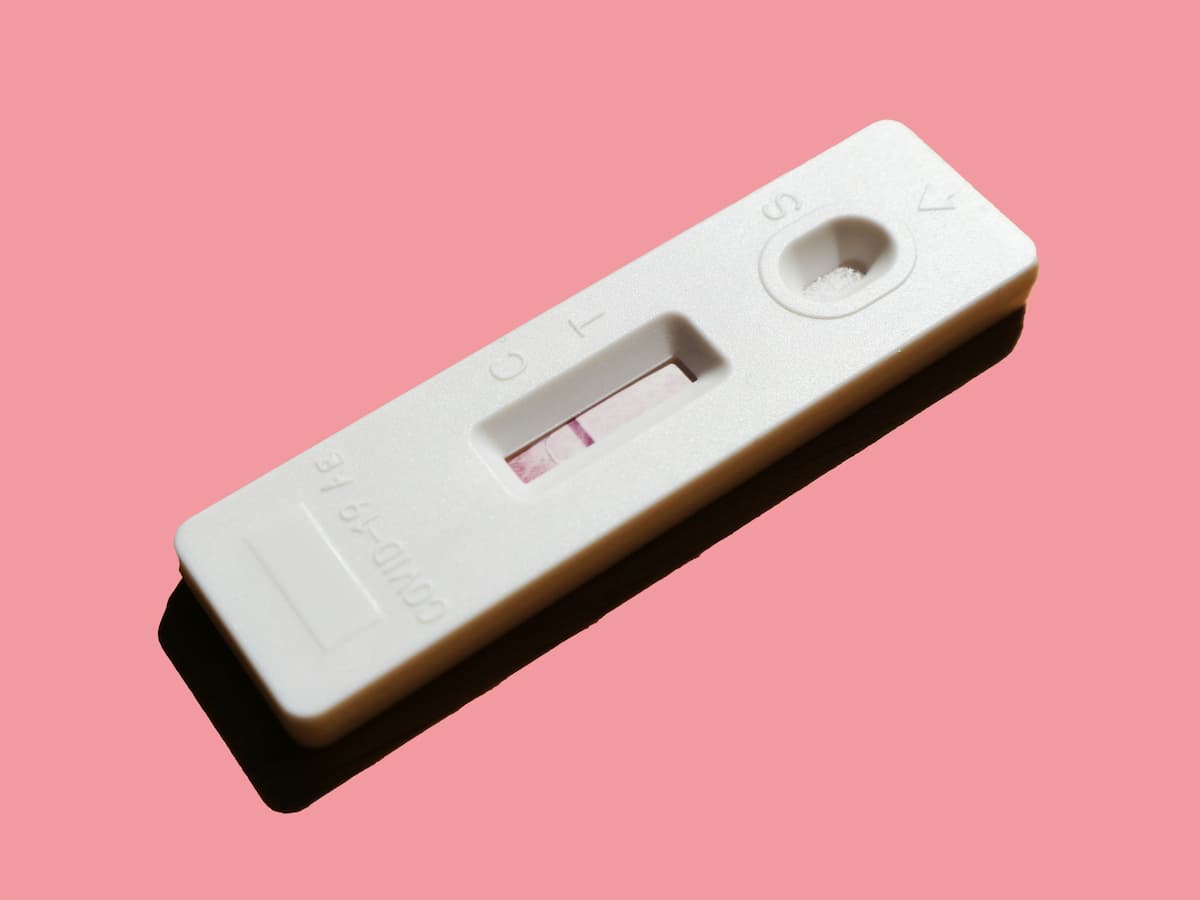
The road to parenthood is not always a straight and easy path. For many couples it turns into months of waiting and hope, which sometimes turn into disappointment and anxiety. “Why isn’t it working?” is a question that can be emotionally and psychologically draining. It is important to understand when these difficulties are part of the normal process and when they may signal fertility problems that require a specialist’s attention.
Main Criterion: Time Factor
The medical community has clear time frames that serve as the primary criterion for the initial diagnosis of infertility. You should consult a reproductive specialist if:
- You are **under 35 years old**, and you cannot become pregnant after **12 months** of regular sexual activity without contraception.
- You are **35 years old or older**, this period shortens to **6 months**. Because age is a critical factor for female fertility, delay is not advisable.
“Regular sexual activity” usually means intercourse every 2–3 days throughout the cycle, or specifically — during fertile days.
"Red flags": when should you see a doctor earlier?
There are certain symptoms and conditions for which you should not wait 6 or 12 months, but instead schedule a consultation right away.
For women:
- Very irregular menstrual cycle or its absence. This may be a sign of ovulation problems, such as anovulation.
- Very painful or heavy periods. This may point to conditions such as endometriosis or uterine fibroids.
- Previously diagnosed conditions, such as polycystic ovary syndrome (PCOS), endometriosis, inflammatory diseases of the pelvic organs.
- Past surgeries on the pelvic or abdominal organs.
- Two or more miscarriages in the medical history.
For men:
- Erection or ejaculation problems.
- Pain, swelling or hardness in the testicular area.
- Past surgeries on the sexual organs (e.g., for varicocele or cryptorchidism).
- Past infections, sexually transmitted infections, or mumps in adulthood.
Initial Diagnosis: What to Expect at the Doctor’s Appointment?
A visit to a reproductive specialist is not frightening. It is the start of the search for answers. The diagnostic process is always comprehensive and involves both partners.
- Detailed conversation and medical history. The doctor will ask about your lifestyle, medical history, cycle characteristics, and sexual life.
- Examination of the woman. Usually includes pelvic ultrasound, blood tests for hormone levels, and sometimes a test of uterine tube patency.
- Examination of the man. The key test is a semen analysis, which evaluates the count, motility, and morphology of sperm.
You can read more about possible causes and symptoms in the article "Infertility: Causes and Symptoms".
Timely identification of problems is the first and most important step toward solving them. Modern medicine offers many effective methods of infertility treatment. Do not be afraid to seek help and remember that you are not alone in your concerns.