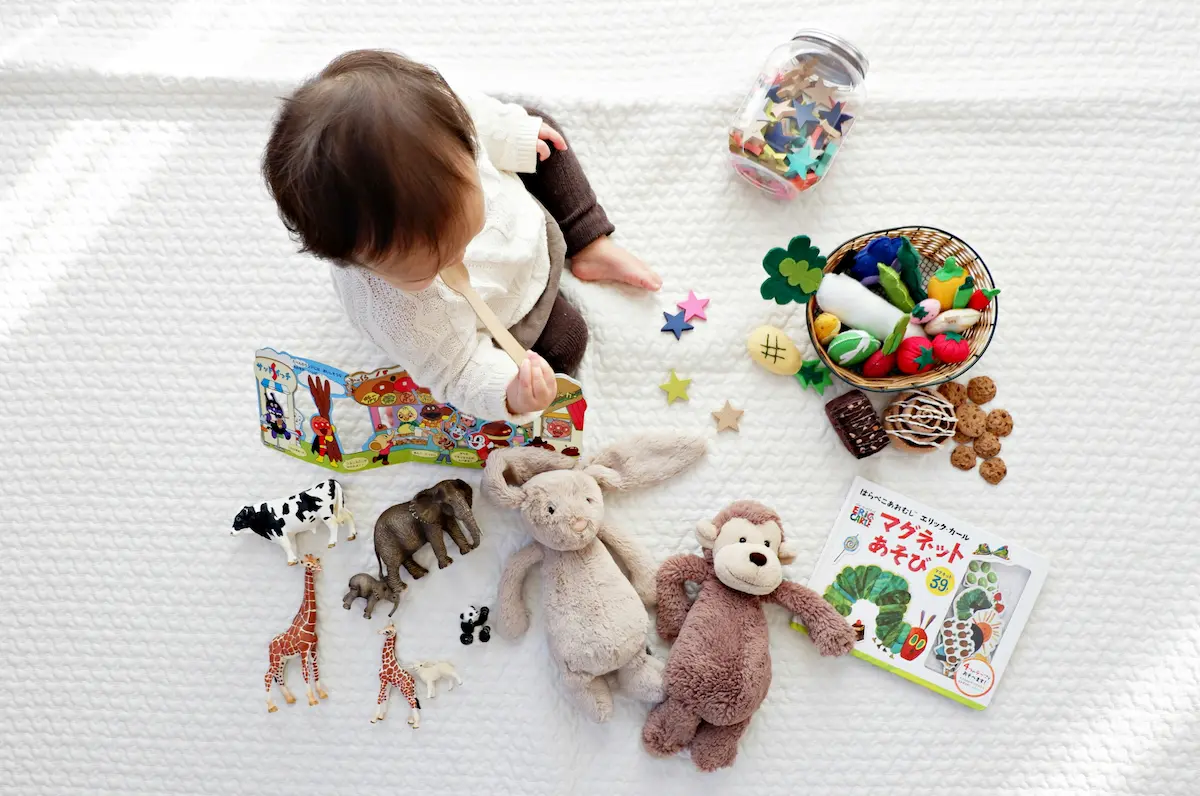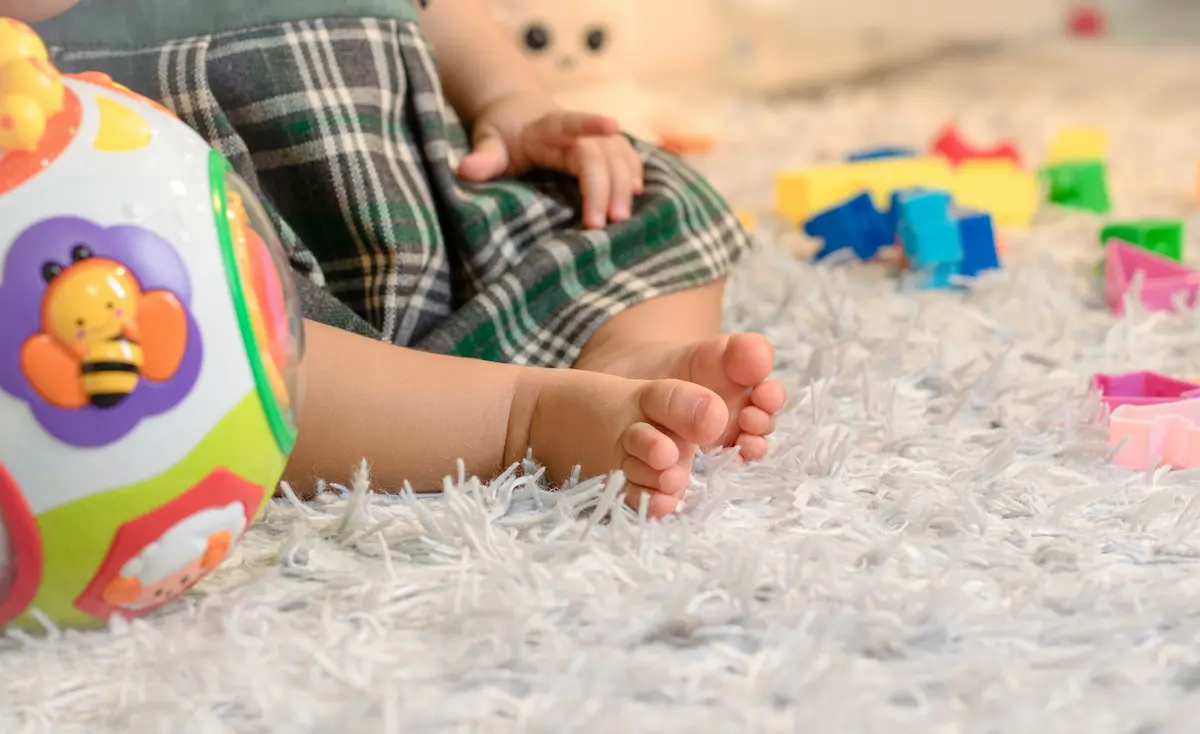
For an infant, play is not just entertainment. It is his main job, the primary way of exploring the world, and the most powerful tool for brain development. Every interaction, every smile, every new toy is a brick in the foundation of his future intelligence, motor skills, and social abilities. However, a child's needs at 2 months are radically different from those at 10 months. Understanding which games and activities are most beneficial at each stage will help you not only effectively stimulate your baby's development but also derive great pleasure from interacting with them. Remember that the best toy for your child will always be you — loving and attentive parents.
General principles of playing with an infant
Before moving on to specific ideas, it is important to master a few golden rules:
- Watch the child's signals: Play when the baby is lively, well‑fed, and in a good mood. If he turns away, yawns, or becomes irritable — that's a signal that he is tired and it's time to rest.
- Safety above all: Always stay nearby during play. For how to choose safe toys, read our article "How to choose safe and useful toys for infants".
- Do not compare: Every child develops at their own pace. Your task is not to meet any standards, but to enjoy the process. Read about key milestones in our general guide "Big achievements of the first year".
2-4 months: Era of sensory discoveries
During this period the child actively develops basic senses. The main goal of games is to stimulate cognitive and sensory development.
- "Funny tummy": Tummy time — it's not just an exercise, but a wonderful game. Lie on the floor opposite the baby, talk, show bright contrasting pictures or a non‑breakable mirror. This stimulates him to lift his head and strengthens muscles.
- "Track the toy": Slowly move a bright toy (preferably red) in front of the child's eyes (at a distance of 20‑30 cm). This trains eye muscles and teaches focusing.
- "Concert for the baby": Talk, sing, "coo" in response to the baby's sounds. This lays the foundations of language development.
- "Tactile explorations": Let the baby touch various safe textures: soft blanket, silk scarf, terry towel.
5-7 months: Little explorer
The child becomes much more active: learns to roll over, reaches for objects and explores everything with the mouth.
- "Coo‑coo!": A classic game that is extremely important. It teaches the child the concept of object permanence (understanding that objects and people exist even when not visible).
- "Grab and chew": Give the child safe rattles, rings and teethers that are easy to hold in the hand. This develops hand‑eye‑mouth coordination.
- "Reach if you can": Place a favorite toy slightly to the side of the child to encourage them to roll over.
- Reading first books: Choose soft fabric or cardboard books with large, simple pictures. Name objects, allow the baby to touch the pages.
8-10 months: Active crawler
This is a period of active movement and refinement of fine motor skills. Space safety becomes priority number one. Read about it in our article "Home safety when the baby starts crawling".
- "Block tower": Build simple towers of 2‑3 large blocks and let the child triumphantly knock them down. This teaches cause‑and‑effect relationships.
- "Pinch grasp": Offer the child safe, soft pieces of food (e.g., cooked carrot, banana) so they can practice picking them up with two fingers. This is an important stage of independence skills.
- "Hide and seek": Hide a toy under a blanket in front of the child and ask "Where is it?".
- Gesture games: "Ladusi‑ladusi", "good‑bye" — the child learns to imitate your movements and associate them with words.
11-12 months: First steps and first words
The baby becomes a little communicator and explorer, eager for independence.
- "Push‑toy": Rolling toys or sturdy push‑carts that can be pushed ahead provide great support for first steps.
- Simple sorters and pyramids: Develop logical thinking and coordination.
- Imitation games: "Talk" on a toy phone, "feed" a doll, "comb" a bear. This lays the foundations of pretend play.
- "Name and show": Clearly name objects, body parts. Ask the child to point where the nose is and where the eyes are. This greatly expands the passive vocabulary, which we detail in the article "From 'agu' to first words".
Remember that the best developmental game is the one that brings joy to both you and your baby. Do not overload the child, follow their interests, and do not forget about your own mental health. Your smile, patience and love are the most important stimuli for harmonious development.