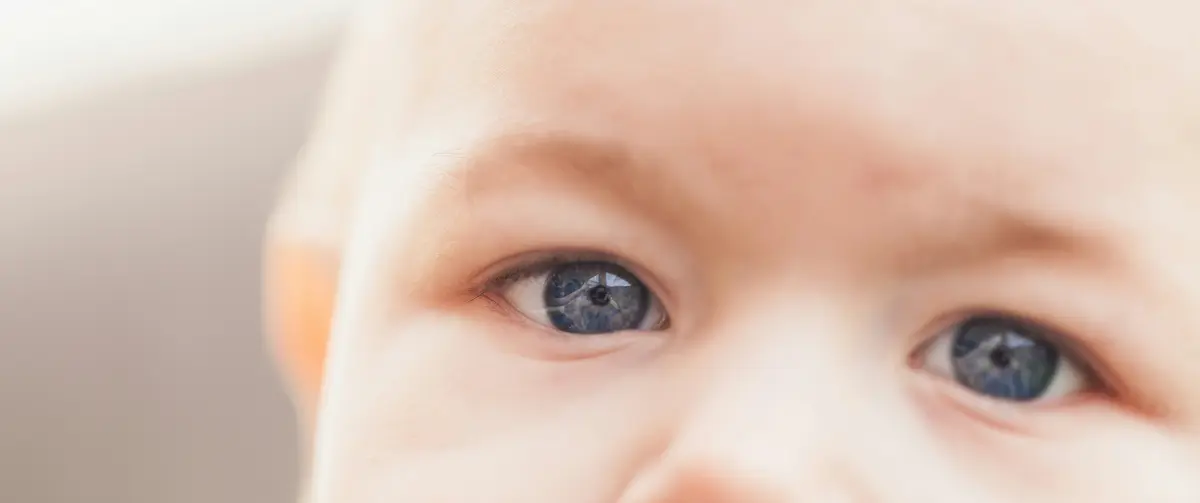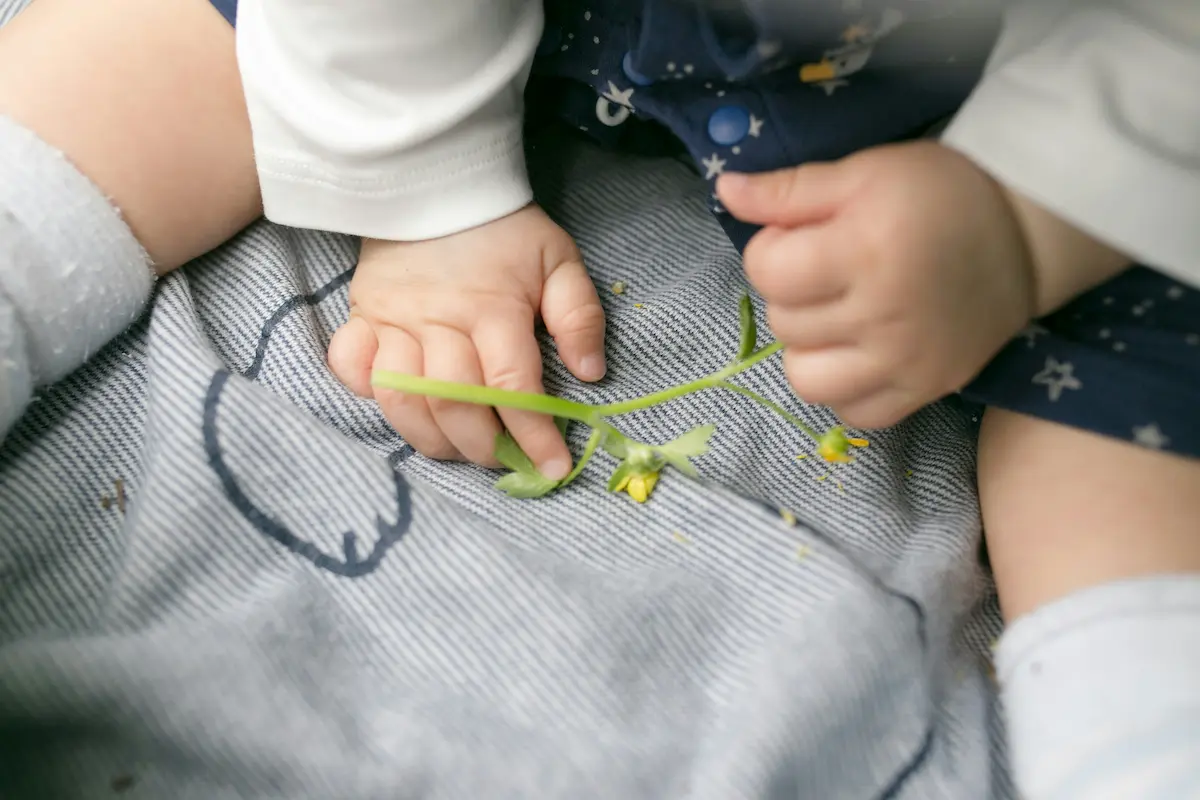
When we think about infant development, the first thing that comes to mind is physical skills: holding up the head, rolling over, sitting. However, the foundation for all these achievements is sensory development — the process by which a child gathers information about the world through its senses. In the first months of life, when vision is still imperfect, the main tools of discovery become touch, hearing, and smell. Through them the baby forms its first impression of the world, feels safety, and builds a deep emotional bond with the parents. Understanding the importance of these senses will help you communicate with your child in its language and create an optimal environment for brain development.
Touch: the first language of love and safety
The skin is the newborn's largest sensory organ. Even in the womb it constantly felt the warm embrace of the uterus, so after birth the need for physical contact is a biological necessity, not a whim.
Why is touch so important?
- Forms attachment: Gentle touches, hugs, and caresses stimulate the production of oxytocin ("the love hormone") both in the child and the parents. This is the basis of secure attachment.
- Regulates physiology: It has been proven that skin-to-skin contact helps stabilize the newborn's body temperature, heart rate, and breathing.
- Stimulates brain development: Each touch is a signal that reaches the brain, helping to form new neural connections.
- Reduces stress: Physical contact lowers cortisol ("the stress hormone") levels and helps the baby calm down, especially during colic.
How to stimulate development through touch?
- Practice skin-to-skin contact: Place the undressed baby (in a diaper) on your bare chest and cover both with a blanket.
- Hold more often: Don't be afraid to "accustom to the arms" — for a newborn this is essential.
- Give a gentle massage: Soft strokes on the legs, hands, back, and tummy after bathing are not only beneficial but also bring great pleasure.
- Introduce different textures: Let them touch a soft blanket, a terry towel, a smooth surface.
Hearing: recognizing familiar voices
Hearing is one of the most developed senses at birth. The child heard your voice, heartbeat, and the sounds of the surrounding world while still in the womb.
What does a newborn hear?
- It recognizes the mother's voice among others and calms down when hearing it.
- It responds best to high, sing-song intonations (the so‑called "parentese" or "baby talk").
- It may startle from sudden, loud sounds (a manifestation of innate reflexes).
How to stimulate hearing development?
- Talk, talk, talk! Comment on your actions, tell stories, sing lullabies. The number of words a baby hears in the first months directly influences its future speech development.
- Play various music: Classical, children's songs, nature sounds. Observe how the baby reacts to different melodies.
- Use rattles: Simple toys with a soft, pleasant sound teach the baby to locate the source of the sound and turn its head toward it.
Smell: the connection with mother
A newborn's sense of smell is extremely well developed. It is another tool for survival and establishing connection.
What does a newborn sense?
- From the first days, it unmistakably recognizes its mother's unique scent and her milk. This helps it locate the breast and feel safe.
- It reacts to strong, sharp odors, so in the first months the mother should refrain from using heavily scented perfumes.
How to stimulate the development of smell?
This sense does not require special stimulation, but it is important to create a favorable environment.
- Provide skin-to-skin contact, so the baby can explore your natural scent.
- Avoid strong fragrances in household chemicals and cosmetics.
- During walks you can let the baby gently sniff a flower or a leaf.
By creating a rich yet not overwhelming sensory environment, you help your child's brain grow and develop. Every hug, every gentle word, every lullaby — these are not just expressions of love but also an invaluable contribution to your baby's healthy start.