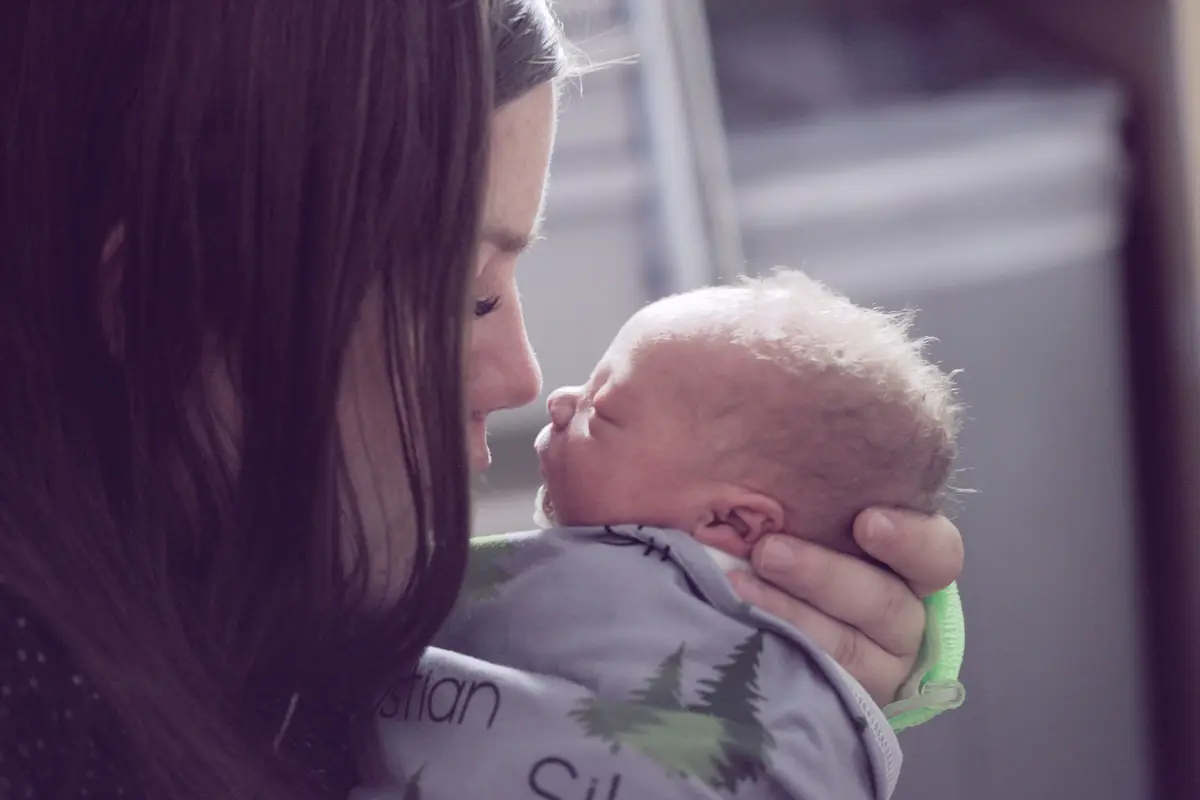
The postpartum period is a time when all your attention and love are focused on the newborn baby. However, caring for your own body, which performed a titanic job during pregnancy and childbirth, is equally important. Proper nutrition and a gradual, safe return to physical activity are key elements of your postpartum recovery. This is not a marathon “getting back in shape,” but a gentle healing process, replenishing energy stores and restoring the strength that is so necessary for caring for your child.
Nutrition for Recovery: Food as Medicine
In the first weeks after childbirth, your body needs maximal nutritional support to repair tissues, stabilize hormonal background, and, if you are breastfeeding, to produce milk. Forget any restrictive diets! Your goal is a regular, balanced, and nutritious diet.
Key Nutrients for a New Mother:
- Iron: During childbirth a woman loses a significant amount of blood, which can lead to anemia. Include iron‑rich foods in your diet: red meat, liver, buckwheat, lentils, apples. For better absorption, combine them with vitamin C.
- Protein: This is the primary “building material” for tissue healing. Lean meat, poultry, fish, eggs, cheese, legumes should form the basis of your diet.
- Calcium: Especially important during breastfeeding, as the baby receives calcium from your milk. Consume enough dairy products, sesame, almonds.
- Healthy fats: Omega‑3 fatty acids (found in fatty fish, nuts, flaxseed) are important not only for the child’s brain development but also for your emotional health.
- Fiber: Vegetables, fruits, and whole‑grain cereals help regulate bowel function and avoid constipation, a common problem after childbirth.
Nutrition Considerations During Breastfeeding:
If you are breastfeeding, your body expends an additional ~500 calories per day to produce milk. It is important not to restrict your food intake but to choose quality foods. We discuss this in more detail in the article “Nutrition for a Nursing Mother”. And most importantly — drink plenty of water! Dehydration can significantly reduce lactation.
Physical Activity: Returning to Movement Gradually and Safely
The main rule — no intense loads until full healing and a doctor’s clearance, which is usually given at a routine check‑up 6–8 weeks after childbirth. Rushing this can lead to serious issues such as pelvic organ prolapse or worsening diastasis.
First 6 Weeks: The “Gentle Recovery” Phase
During this period the main focus is on rest and re‑establishing connection with your body. The following activities are allowed and recommended:
- Walks: Start with short 10–15 minute walks at a slow pace, gradually increasing the duration.
- Kegel exercises: These are exercises to strengthen the pelvic floor muscles. They can be started a few days after a natural birth (after consulting a doctor). They are the best prevention for urinary incontinence.
- Breathing exercises: Deep diaphragmatic breathing helps activate the deep abdominal muscles and promotes healing.
Read more about this period in the article “Physical Recovery of a Woman in the First 6–8 Weeks”.
After Doctor’s Clearance: Gradual Return to Exercise
When your doctor gives the “green light,” returning to activity should be done very gently.
- Start with the basics: Continue walking, add pelvic floor and deep abdominal strengthening exercises.
- Safe types of activity: Postpartum yoga, Pilates, swimming, body‑weight exercises.
-
What to avoid initially:
- Running and jumping: Place a large load on the pelvic floor.
- Classic abdominal exercises (crunches): May worsen diastasis (separation of the rectus abdominis muscles).
- Heavy lifting.
"Red Flags": When to Stop
Stop the exercise immediately and consult a doctor if you experience:
- Pain (in the pelvic area, back, or stitches).
- Urine leakage.
- A feeling of pressure or “heaviness” in the lower abdomen.
- Increased postpartum discharge.
Remember that your body has performed an incredible job. Be kind, patient, and grateful to it. The recovery process is not a competition. Give yourself time, and you will not only get back in shape but also become stronger and more resilient.