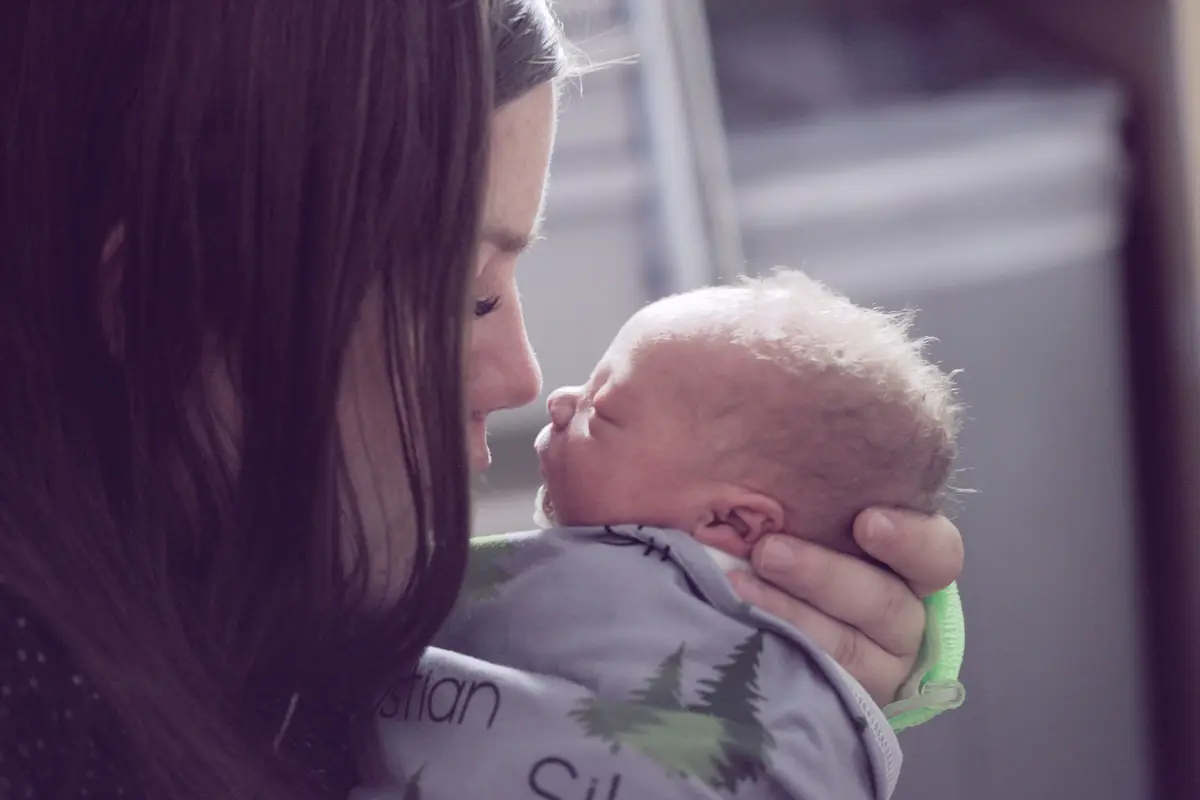
The birth of a child is a marvelous event that marks the end of the nine‑month journey of pregnancy. But at the same time it is only the beginning of a new, no less important stage — postpartum recovery. The first 6‑8 weeks after delivery, which clinicians call the "fourth trimester," are a time of massive remodeling of your body. It returns to its "pre‑pregnancy" state, tissues heal, and the hormonal balance stabilizes. This period requires a woman to give herself maximum attention and gentle care. Understanding the processes happening in your body will help you navigate this path calmly, without unnecessary worries, and with love for yourself.
What happens to the body immediately after delivery?
Your body has performed a titanic job, and now it needs time to rest and regenerate. Here are the main processes you will encounter.
1. Uterine involution (contractions)
Immediately after the placenta is delivered, your uterus begins to contract actively to return to its previous size. This process is called involution.
- What it feels like: You will feel afterpains in the lower abdomen, especially during breastfeeding. This is completely normal! Suckling triggers the release of oxytocin, which not only governs milk let‑down but also stimulates uterine contractions. These pains are a sign that your body is recovering properly.
- Duration: The most intense contractions last the first few days. The uterus fully returns to its "pre‑pregnancy" state in about 6 weeks.
2. Lochia: postpartum discharge
After the placenta separates, a raw surface remains on the uterine wall, which gradually heals. This process is accompanied by discharge — lochia.
-
How they change:
- First 3‑5 days: Lochia is bright red, heavy, similar to a period, and may contain small clots.
- From day 5 to 10‑14: Discharge becomes pinkish or brownish, and its volume decreases.
- After 2 weeks: Lochia turns yellow‑white and gradually stops.
- Duration: On average, lochia lasts 4‑6 weeks.
- Important: Use only postpartum pads, and never tampons, to avoid infection.
3. Healing of stitches
If you had tears or an episiotomy during delivery, or if you gave birth by Caesarean section, you will need time for the stitches to heal.
- Perineal stitches: You may feel discomfort and pain when sitting. Maintain meticulous hygiene, wash regularly, use pads and change them frequently.
- Cesarean section scar: This is a full‑scale surgery that requires a longer recovery. In the first days it will be difficult to get up and walk. Strictly follow the doctor’s recommendations for scar care and limit physical exertion.
Other important aspects of recovery
- Breastfeeding: By day 2‑4, "mature" milk arrives; the breasts may become hot, firm, and painful. Frequent nursing is the best way to establish lactation. Read all the nuances in the article "Basics of Breastfeeding".
- Digestive and urinary function: The first trips to the bathroom after delivery can be uncomfortable. Drink plenty of water and eat fiber‑rich foods to avoid constipation.
- Postpartum fatigue: This is not just tiredness, but deep exhaustion caused by delivery, hormonal shifts, and disrupted sleep. Your #1 priority is rest.
"Red flags": when to seek medical attention immediately?
It is important to know the warning signs that may indicate complications:
- Fever above 38°C.
- Heavy bleeding (if you have to change the pad more often than once an hour) or the presence of large clots.
- Lochia has an unpleasant, sharp odor.
- Severe, throbbing pain around the stitches, with signs of infection.
- Intense breast pain accompanied by redness and fever (possible mastitis).
- Severe headache, visual disturbances (could be a sign of late‑onset pre‑eclampsia).
How to help yourself?
Self‑care is not selfishness; it’s a necessity.
- Sleep when the baby sleeps. Forget about cleaning and cooking.
- Eat properly and drink plenty of water. Details are in the article "Nutrition and activity after delivery".
- Don’t be ashamed to ask for help from your partner, relatives, and friends.
- Be gentle with yourself. Your body performed a miracle. Give it time and the chance to recover. Also remember your emotional wellbeing, as it is no less important than the physical.