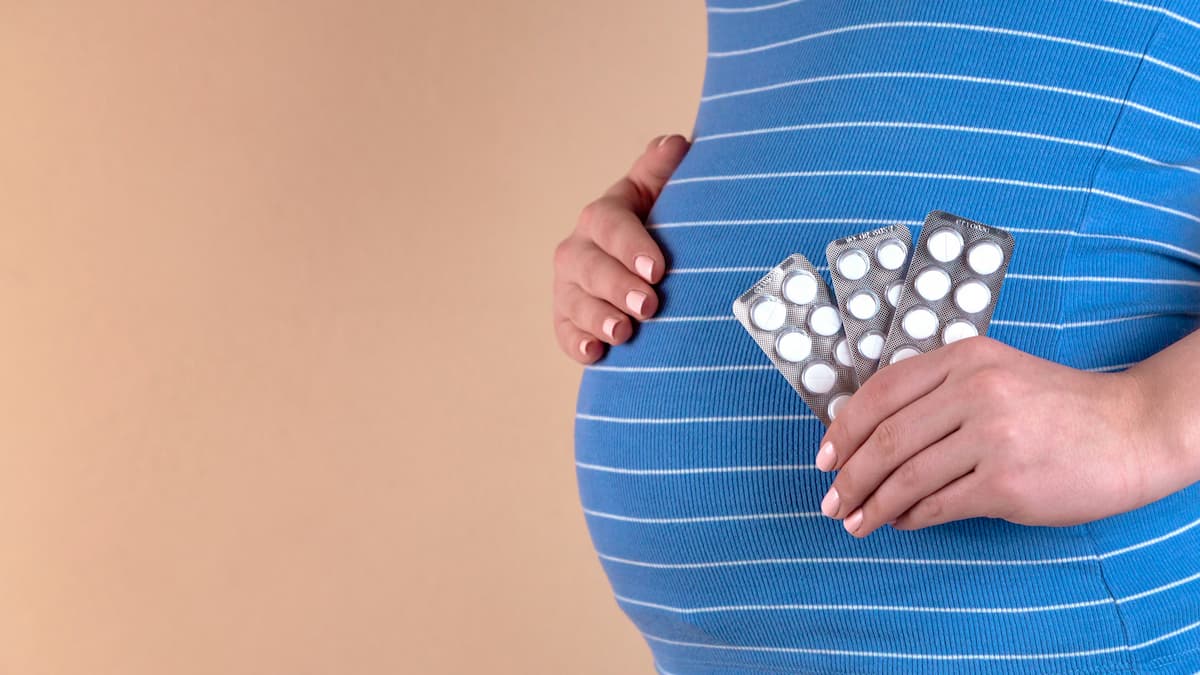
Pregnancy is a time not only of amazing physical transformations but also of deep emotional experiences. Your mood can change more often than the weather outside: from boundless happiness and euphoria to sudden tears, anxiety, or irritation. These emotional swings are an absolutely normal part of the journey to motherhood. They don’t make you "bad" or "unstable"; they simply reflect the massive hormonal and psychological reshaping you are undergoing. Understanding the reasons for these changes and learning to care for your mental health will help you get through this period more harmoniously.
Why Emotions "Flare Up": Main Causes
Your emotional state during pregnancy is a complex cocktail of several powerful ingredients.
- Hormonal storm: This is the main culprit. Hormone levels, especially estrogen and progesterone, increase by hundreds of times. These hormones directly affect neurotransmitters in the brain that regulate mood. It’s biochemistry that’s hard to resist.
- Physical discomfort: Constant fatigue, nausea, back pain, sleep problems — all of this exhausts you physically and, as a result, reduces emotional resilience. It’s hard to stay calm and joyful when you’re currently nauseated by the smell of coffee.
-
Psychological adaptation: You are on the brink of one of the biggest changes in life. It’s completely natural to feel a whole spectrum of emotions about the future:
- Joy and anticipation: The awareness that you are creating new life.
- Anxiety and fears: "Will I be a good mother?", "How will the labor go?", "Will the baby be healthy?", "How will our relationship with the partner change?"
- Insecurity due to body changes: Watching your figure change and your weight increase can be psychologically challenging.
- Social pressure: Advice from relatives, societal expectations, idealized images of motherhood on social media — all of this creates additional pressure.
What You May Feel and Why It’s Normal
- Increased sensitivity and tearfulness: You may cry over an advertisement or a moving song. That’s normal.
- Irritability: Things that previously didn’t trigger any emotions can now irritate you to the point of frenzy. That’s normal.
- Forgetfulness ("pregnant brain"): Difficulties with concentration and memory — a common phenomenon linked to hormones and fatigue. That’s normal.
- Ambivalence: Simultaneously feeling joy and fear about the future. That’s also absolutely normal.
How to Take Care of Your Emotional State: Practical Tips
Although you can’t "turn off" hormones, you can learn to support yourself and create a more comfortable emotional environment.
- Talk about your feelings. Don’t keep everything inside. A conversation with your partner, a close friend, or your mother can bring huge relief. It’s important that you’re simply heard, without advice or judgments.
- Lower the bar. Let go of perfectionism. You’re not obligated to be the perfect pregnant person, to manage everything at work and home. Your main priority right now is you and your baby.
- Care for the body = care for the soul. Quality sleep, balanced nutrition and moderate physical activity directly affect your mood.
- Find time for yourself. Even 15–30 minutes a day dedicated just to you (reading, a bath, a hobby) will help replenish your resources.
- Practice relaxation techniques. Meditation, deep breathing, prenatal yoga — these tools help calm the mind and lower stress hormone levels.
- Stay informed. The more you know about what’s happening with your body and the baby, the less anxiety you’ll have about the unknown. Attend prenatal classes, read reliable information.
When Should You Seek Help?
It’s important to distinguish normal emotional fluctuations from symptoms of perinatal depression or anxiety disorder. Reach out to a doctor or psychologist if you feel that:
- Depressed mood and sadness last more than two weeks.
- You’ve lost interest in everything that previously brought joy.
- Anxiety becomes all‑encompassing and interferes with daily life.
- Intrusive, frightening thoughts appear.
Remember, caring for your emotional state is not selfish; it’s a necessary condition for a healthy pregnancy and happy motherhood.