Pregnancy is a time when your body performs amazing work, and nutrition becomes one of the most powerful tools to support this process. The phrase "eating for two" is not quite correct; it is much more accurate to say "eating for two". This means that the main role is played not by the quantity of food, but by its quality and nutrient value. Balanced nutrition during pregnancy is your main contribution to the healthy development of the baby, good well‑being throughout all nine months, and easier recovery after childbirth.
Fundamentals of a Healthy Diet: the "Pregnant Plate" Model
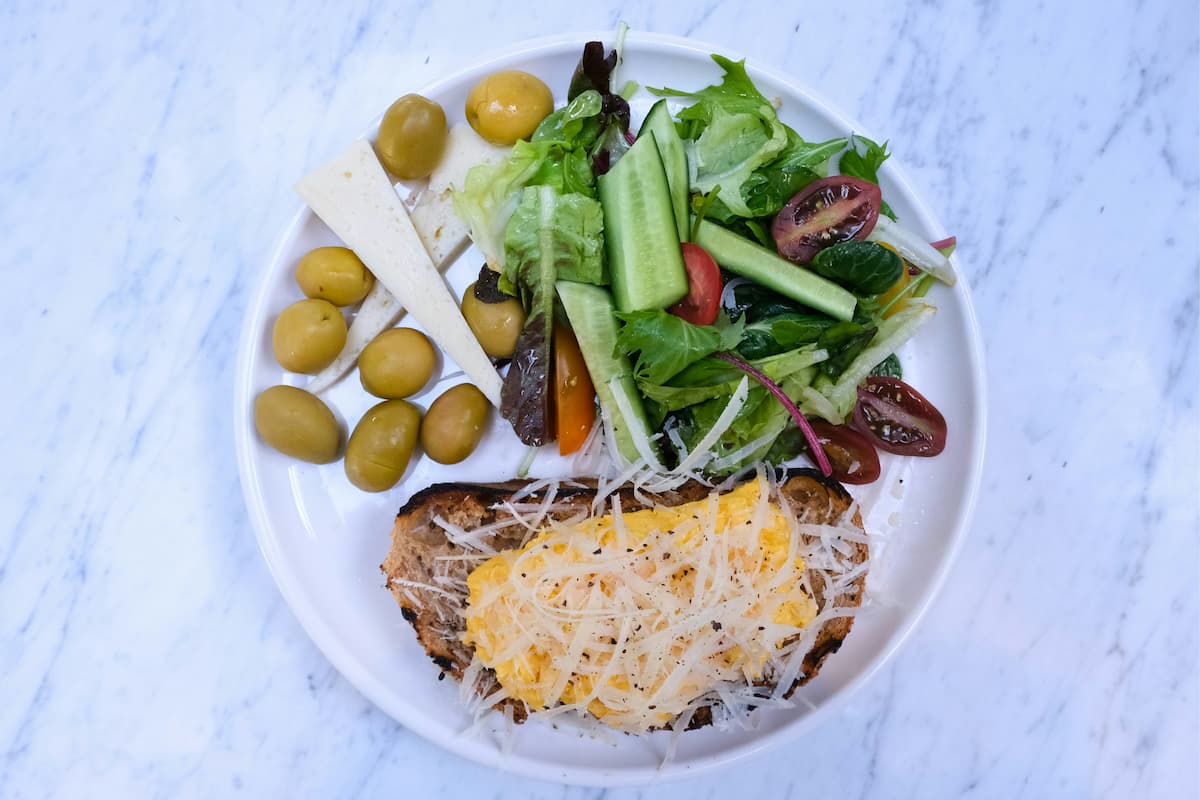
Forget about complicated diets and calorie counting. The simplest way to organize balanced nutrition is to envision your plate at each main meal. It should consist of the following components:
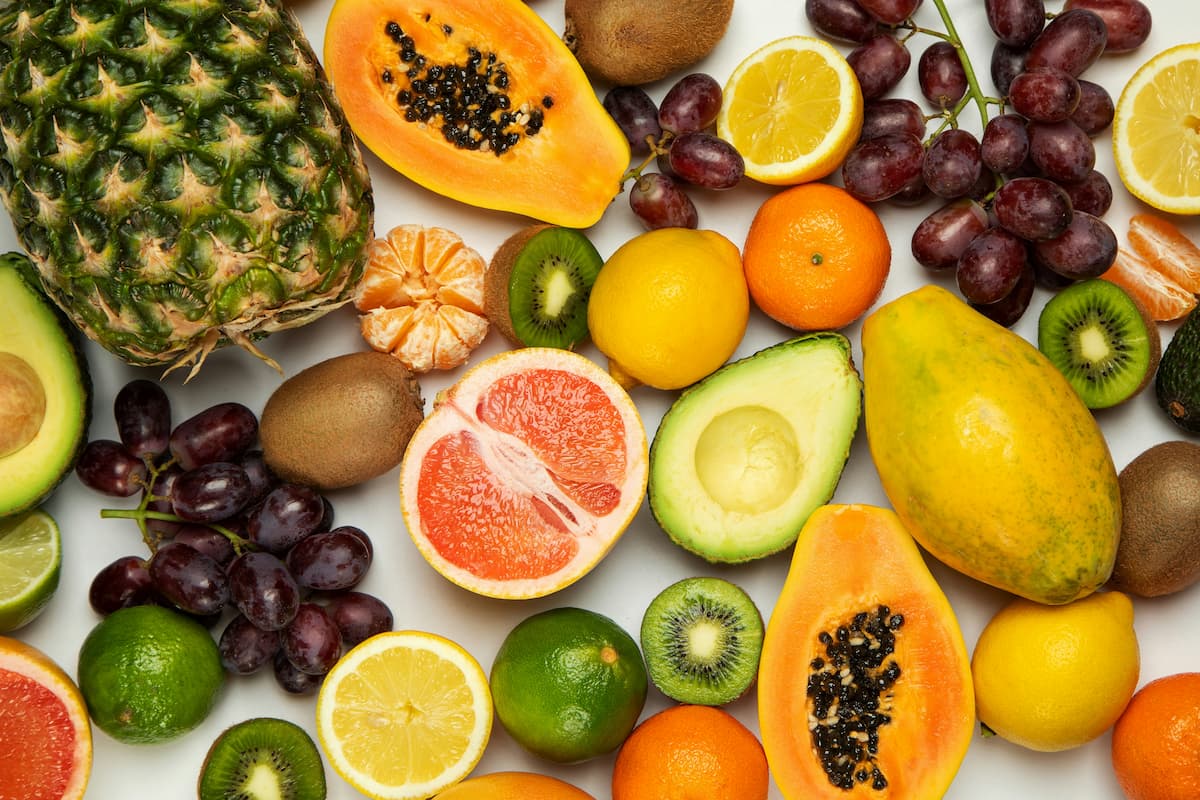
- Half the plate (50%) — vegetables and fruits: This is your main source of vitamins, minerals, antioxidants, and fiber. Try to "eat a rainbow" — the more varied the colors on your plate, the more different nutrients you will obtain. Fiber is also extremely important for preventing constipation — a common problem in pregnancy.
- Quarter of the plate (25%) — whole‑grain foods: These are "slow" carbohydrates that give you steady energy for a long time. Choose brown rice, buckwheat, oatmeal, quinoa, whole‑grain bread and pasta made from hard wheat varieties.
- Quarter of the plate (25%) — protein foods: Protein is the primary "building material" for the cells, organs, and tissues of your baby. Include lean meat, poultry, fish, eggs, legumes (beans, lentils, chickpeas), tofu, and dairy products in your diet.
Supplement your diet with **healthy fats**, such as avocado, nuts, seeds, and unrefined oils (olive, flax). They are critically important for the development of the child's brain and nervous system.
Key Nutrients: What to Pay Special Attention To
During pregnancy, the need for certain nutrients increases significantly. You can read more about them in the article on essential vitamins and nutrients. Here are the most important ones:
- Folic acid (vitamin B9): An absolute must‑have, especially in the first trimester. It plays a key role in preventing neural tube defects in the fetus. In addition to taking it as a supplement, enrich your diet with spinach, broccoli, and lentils.
- Iron: Needed for the production of hemoglobin, which carries oxygen. During pregnancy blood volume increases significantly, so the need for iron rises. Its deficiency leads to anemia and fatigue. Sources: red meat, liver, buckwheat, apples.
- Calcium: The foundation for your baby's bones and teeth. If the mother’s body lacks it, it will be "taken" from her own stores. Sources: dairy products, cheese, sesame, almonds, green leafy vegetables.
- Iodine: Important for the development of the child's brain and thyroid gland. Use iodized salt and, as recommended by a doctor, take supplements.
Practical Tips for Expectant Mothers
- Eat often, but in small amounts. 5–6 small meals a day help maintain a stable energy level and combat nausea.
- Drink plenty of water. Water is necessary for increasing blood volume, forming amniotic fluid, and good digestion.
- Plan ahead. A pre‑thought menu and prepared healthy snacks (sliced vegetables, fruits, nuts) will save you from harmful impulsive purchases when you’re hungry.
- Listen to your body, but wisely. Unusual food cravings are normal. However, if you constantly crave sweets and pastries, try to find a healthier alternative.
Food Safety — Above All
It is important not only what you eat, but also what you avoid. There is a list of foods to avoid due to the risk of bacterial infections. These include raw and undercooked meat, fish, eggs, unpasteurized cheeses. It is also necessary to completely eliminate alcohol.
Balanced nutrition combined with moderate physical activity is the best way to ensure a healthy weight gain and give your child the best start in life.