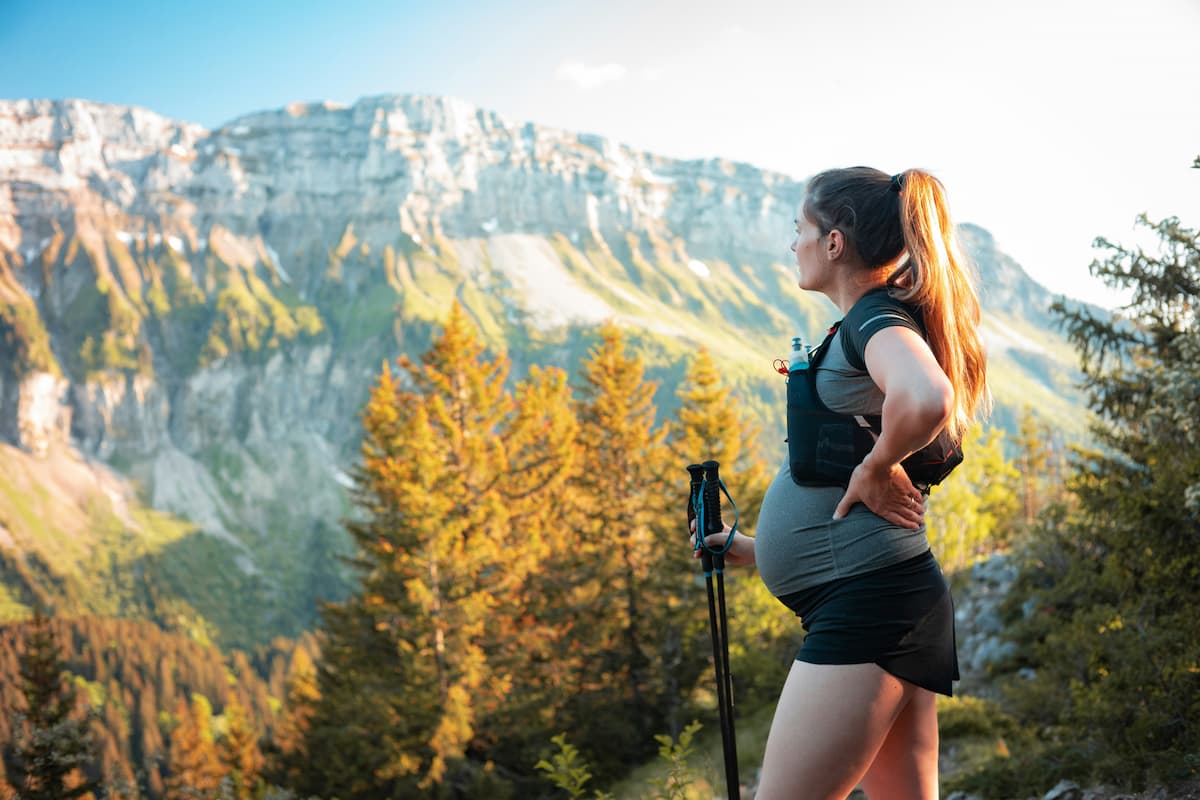
Outdated notion that pregnancy is a "crystal" period that must be spent in maximum rest has long been disproved by modern medicine. In fact, if your pregnancy proceeds without complications, regular and moderate physical activity is one of the best gifts you can give yourself and your little one. It's not about setting sports records, but about supporting the body, improving well‑being and preparing for labor. Properly chosen exercises will help you feel stronger, healthier and happier throughout all nine months.
Benefits of Movement: Why It Matters for You and Your Baby?
Regular physical activity during pregnancy has proven benefits:
- Eases common symptoms: Helps reduce back pain, prevent constipation, bloating and swelling.
- Improves emotional state: Promotes the production of endorphins ("happiness hormones"), reduces stress and the risk of developing depression.
- Helps you sleep better: Improves the quality of sleep, which is especially relevant in the later trimesters.
- Controls weight gain: Helps avoid excessive weight, which in turn reduces the risk of gestational diabetes and preeclampsia.
- Strengthens muscles and endurance: Strong back, pelvic and leg muscles cope better with the increasing load and prepare the body for labor.
- Facilitates easier recovery after delivery.
For the baby, the benefit lies in improved placental blood flow, which provides better oxygen and nutrient delivery.
Golden Safety Rules
Before you start, remember a few key rules:
- Always consult your doctor. Before beginning any workouts, be sure to obtain permission from your obstetrician who is managing the pregnancy. They will consider your health status and possible risks.
- Listen to your body. Pregnancy is not a time for feats. If you feel fatigue, pain or discomfort, stop.
- Avoid overheating. Drink enough water before, during and after the workout. Wear light, "breathable" clothing and avoid exercising in hot, humid weather.
- "Conversation test": You should be able to hold a conversation while performing the exercises. If your breathing becomes labored, reduce the intensity.
Recommended Types of Activity for Pregnant Women
Choose low‑impact exercises that are gentle on the joints.
- Walking: An ideal option for any fitness level and trimester. It is safe, free and effectively improves cardiovascular function.
- Swimming and aqua aerobics: Water supports your body, relieving pressure on the back and joints. It’s a wonderful way to feel light and combat swelling.
- Prenatal yoga and stretching: Specially adapted sequences help improve flexibility, release tension, strengthen the pelvic floor muscles and teach proper breathing, which will be very useful during labor.
- Stationary bike: A safe alternative to a regular bicycle, as it eliminates the risk of falling.
- Modified strength training: If you performed strength training before pregnancy, you can continue, but with reduced weight, avoiding back exercises and abdominal strain.
What Should Be Strictly Avoided?
- Contact and injury‑prone sports: Wrestling, boxing, soccer, basketball, hockey.
- Activities with a high risk of falling: Skiing, snowboarding, ice skating, horseback riding, regular cycling in the later trimesters.
- Diving: Can cause decompression illness in the fetus.
- Back exercises (after the first trimester): In this position the enlarged uterus can compress the inferior vena cava, disrupting circulation.
- Exercises that create strong pressure on the abdominal cavity: Classic crunches, planks.
"Red Flags": When to Stop Training Immediately
Stop immediately and consult a doctor if during training you experience:
- Vaginal bleeding.
- Dizziness or feeling that you might faint.
- Severe shortness of breath before starting the exercises.
- Chest pain.
- Regular painful uterine contractions.
- Leakage of amniotic fluid.
Physical activity during pregnancy is an expression of care and love for your body. Move with enjoyment, listen to yourself, and your body will surely reward you with good well‑being and an easy delivery.