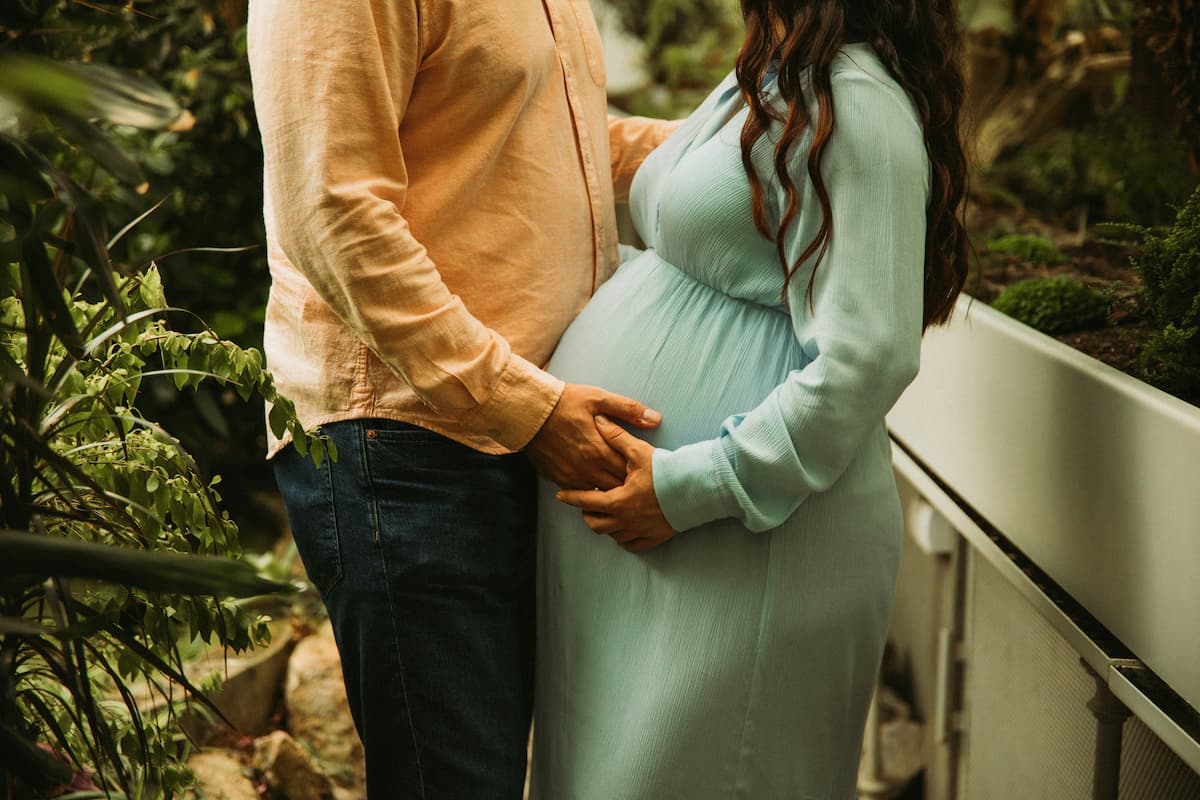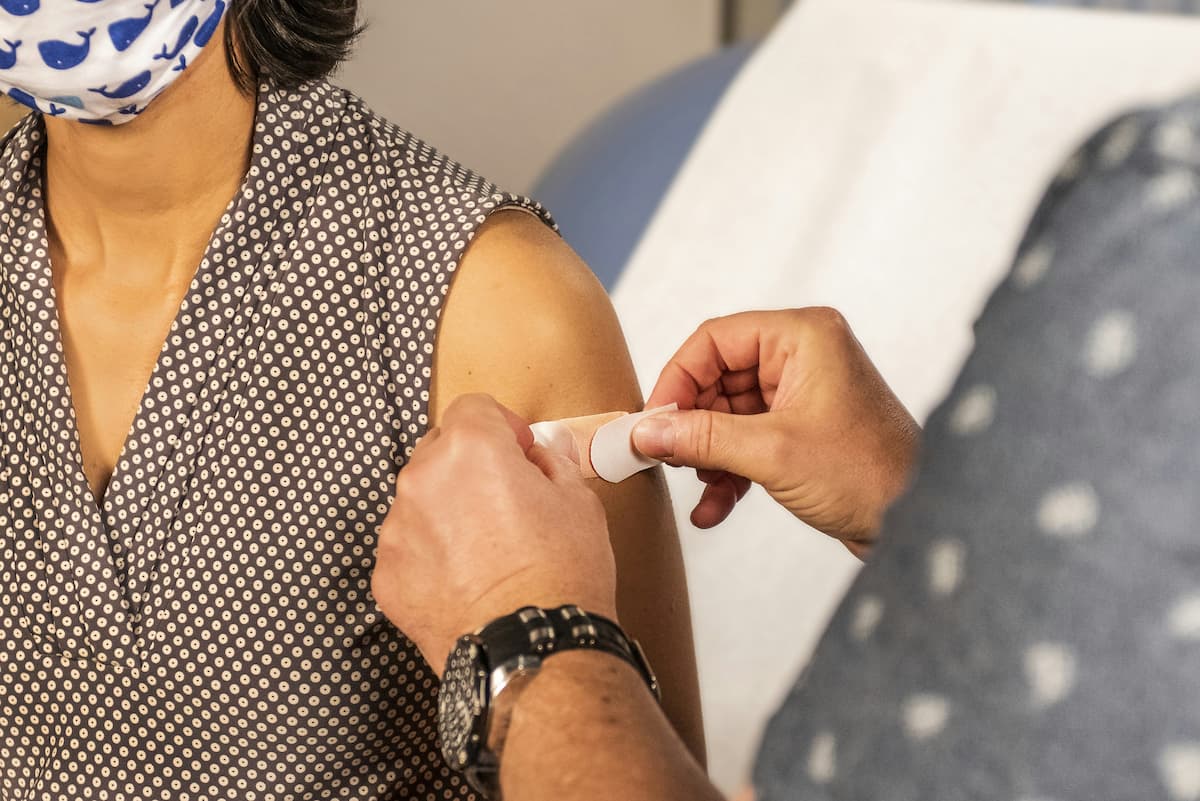
The issue of vaccination during pregnancy is wrapped in countless myths and fears. Many expectant mothers worry whether a vaccine might harm the baby. However, modern evidence‑based medicine has a clear answer: some vaccines during pregnancy are not only safe but also essential. They provide a unique "dual protection" — not only for the mother but also for her newborn during the first, most vulnerable months of life. Understanding which vaccines are recommended and which should be avoided is an important part of responsible care for one's health and safety.
Why vaccination during pregnancy is important? The "dual protection" mechanism
When a pregnant woman receives a vaccine, her immune system produces protective antibodies. These antibodies not only circulate in her blood, protecting against disease, but also are actively transferred across the placenta to the baby. Thus, the infant is born with a certain reserve of maternal antibodies that will protect him during the first 6 months of life — precisely the period when his own immune system is still immature and most vaccinations would be premature.
In addition, by protecting herself from infections, the mother eliminates the risk of falling ill and transmitting the disease to the newborn, and also avoids serious pregnancy complications that some illnesses (e.g., flu) can cause.
Recommended vaccines: "Yes, please!"
International and Ukrainian health protocols strongly recommend two vaccines during every pregnancy.
1. Influenza vaccine
- Why is this important? Pregnant women belong to a high‑risk group for severe influenza, which can lead to pneumonia, hospitalization, and even preterm labor.
- When to do it? In any trimester during flu season (usually from autumn to spring). If you became pregnant in the summer and a new seasonal vaccine becomes available in the fall, you should get it.
- Which vaccine? An inactivated (dead) vaccine is used, which is completely safe for the fetus.
2. Vaccine against pertussis, diphtheria, and tetanus (Tdap / АКДП)
- Why is this important? The main goal of this vaccination is to protect the newborn from pertussis. This is an extremely dangerous disease for infants, which can cause respiratory arrest and lead to fatal outcomes.
- When to do it? The ideal time is between the 27th and 36th week of pregnancy. This window is chosen so that the mother’s body can produce the maximum amount of antibodies for transfer to the baby.
- Important: This vaccination should be administered during every pregnancy, regardless of when you were last vaccinated.
Vaccines that can be given under certain conditions
- COVID-19 vaccination: Pregnant women also have a higher risk of severe COVID-19. Modern mRNA vaccines (Pfizer, Moderna) are recognized as safe at any stage of pregnancy.
- Hepatitis B vaccination: If the pregnant woman has not been previously vaccinated and belongs to a risk group, vaccination is safe and recommended.
Prohibited vaccines: "Absolutely no"
During pregnancy it is strictly contraindicated to administer **live vaccines**, because there is a theoretical risk of transmitting a weakened virus to the fetus. These include:
- MMR (measles, mumps, rubella): This is the most important vaccination, which should be done during the pre‑pregnancy planning stage. After MMR vaccination, it is recommended to wait 1 month before conceiving.
- Varicella (chickenpox) vaccine.
- BCG (against tuberculosis).
What about other family members?
The “cocoon” concept is the best way to protect the newborn. Make sure that everyone who will have close contact with the baby in the first months (father, grandparents, older siblings) has up‑to‑date vaccinations, especially against flu and pertussis.
Vaccination during pregnancy is a modern, safe, and effective way to show care for the most precious one. Discuss your individual vaccination plan with your obstetrician‑gynecologist and stay healthy!