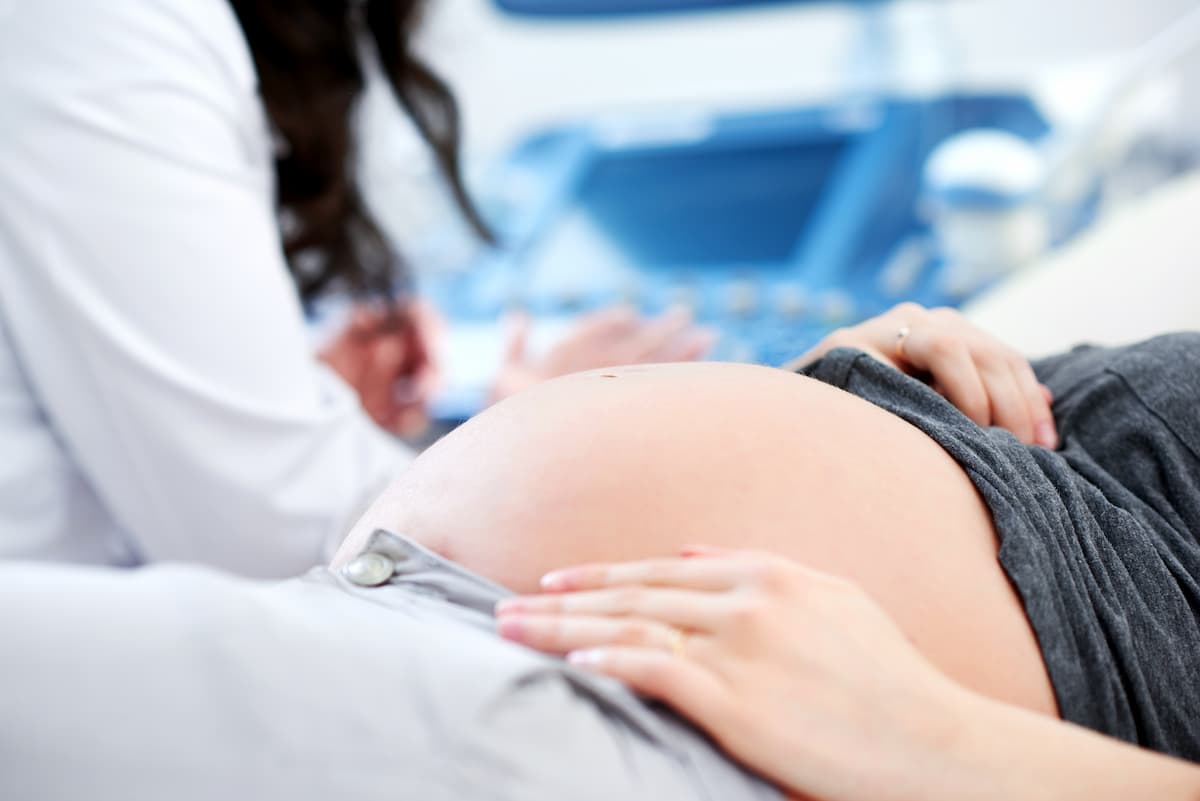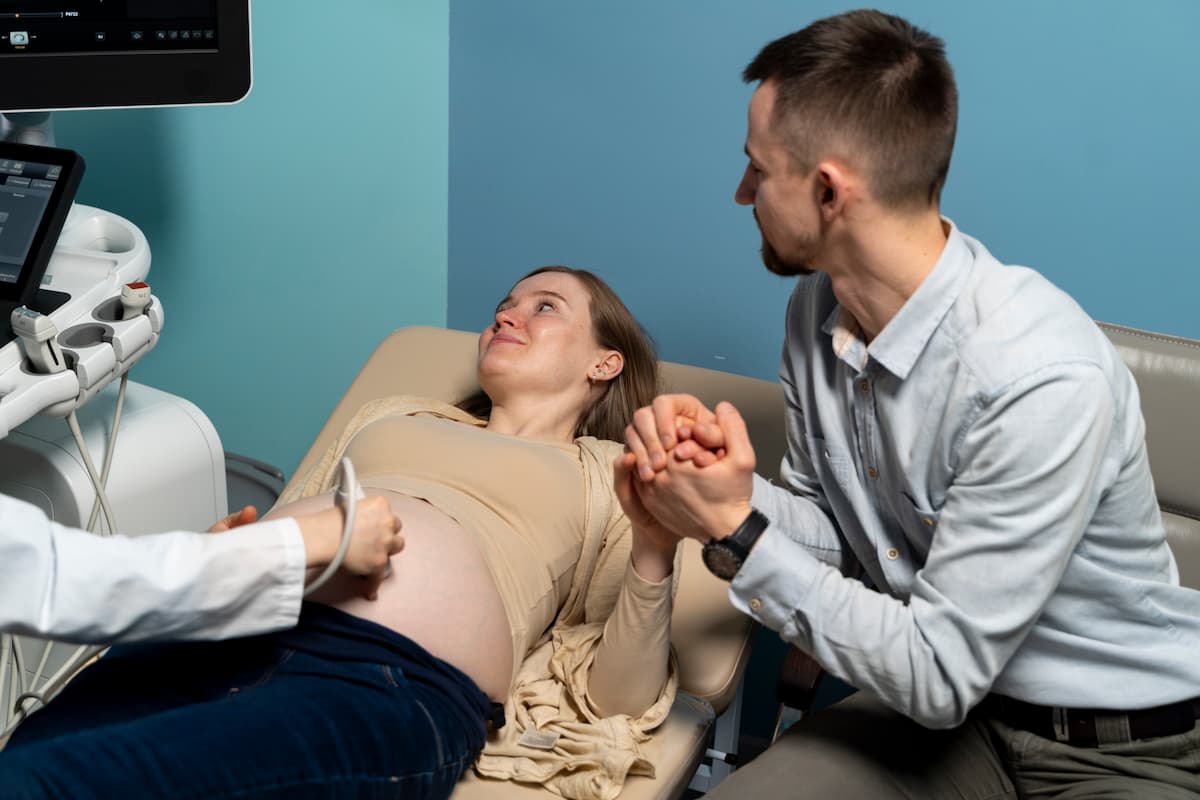
The term “high‑risk pregnancy” or “pregnancy of high risk” can sound worrisome and even frightening. It is important to understand right away: this diagnosis is not a verdict or a prediction that something will definitely go wrong. It is, first and foremost, a medical term that means your pregnancy has certain factors that require more careful monitoring and a specialized approach from doctors. It is a kind of signal for the medical team to give you and your baby maximum attention, to prevent possible complications and ensure the best outcome.
What makes a pregnancy high‑risk?
There is a whole range of factors that can cause a pregnancy to be classified as high‑risk. They may exist before conception, develop during pregnancy, or be related to the health of the baby itself.
Factors present before pregnancy:
- Mother's age: Age younger than 17 or older than 35 automatically increases risks. Older women more often develop preeclampsia, gestational diabetes, and the likelihood of chromosomal abnormalities in the fetus rises.
- Mother's chronic illnesses: Conditions such as diabetes, hypertension, heart disease, kidney disease, autoimmune disorders (e.g., systemic lupus erythematosus) or epilepsy require careful monitoring and possibly treatment adjustments during pregnancy.
- Lifestyle: Smoking, alcohol consumption or drug use significantly increase risks for the fetus.
- History of previous pregnancies: Presence in the medical history of preterm births, multiple miscarriages, preeclampsia, or the birth of a child with genetic defects.
Factors that develop during pregnancy:
- Multiple pregnancy: Expecting twins, triplets, or a larger number of babies creates a significant additional load on the woman's body.
- Gestational diabetes: Diabetes that develops during pregnancy.
- Preeclampsia and hypertension: Elevated blood pressure.
- Placental problems: For example, placenta previa.
Factors related to the baby's condition:
- Congenital developmental defects, detected during prenatal screenings.
- Fetal growth restriction.
How is a high‑risk pregnancy managed?
The main difference in managing such a pregnancy is more intensive and specialized prenatal care.
- More frequent doctor visits: You will see your gynecologist more often than the standard schedule, for careful monitoring of your condition.
- Consultations with specialists: Monitoring by a cardiologist, endocrinologist, geneticist, or other doctors may be needed, depending on the source of risk.
- More tests and examinations: You may be prescribed additional ultrasounds to monitor fetal growth (Doppler studies to assess blood flow), more frequent blood and urine tests, and cardiotocography (CTG) to evaluate the baby's condition.
- Careful selection of medications: If you are taking medicines for chronic conditions, the doctor may adjust the dose or replace the drug with one safer for pregnancy.
What can you do?
Your active participation in the process is extremely important.
- Do not miss doctor appointments. This is the most important rule. Regular monitoring is the key to successful pregnancy management.
- Strictly follow recommendations. Take all prescribed medications, adhere to the diet if needed, and follow all advice from your medical team.
- Maintain a healthy lifestyle. Proper nutrition, avoidance of harmful habits, and adequate rest become even more of a priority.
- Be attentive to yourself. Learn to recognize “red flags” (unusual pain, changes in the baby’s movements, bleeding) and report them to your doctor immediately.
- Take care of your emotional state. The diagnosis “high‑risk pregnancy” can cause additional anxiety. Do not hesitate to discuss your concerns with your doctor, partner, or a psychologist.
Remember that modern medicine has extensive experience and tools for successfully managing even the most complex pregnancies. This diagnosis is not a cause for panic, but a call for heightened attention and close collaboration with your doctors to ensure the birth of a healthy baby.