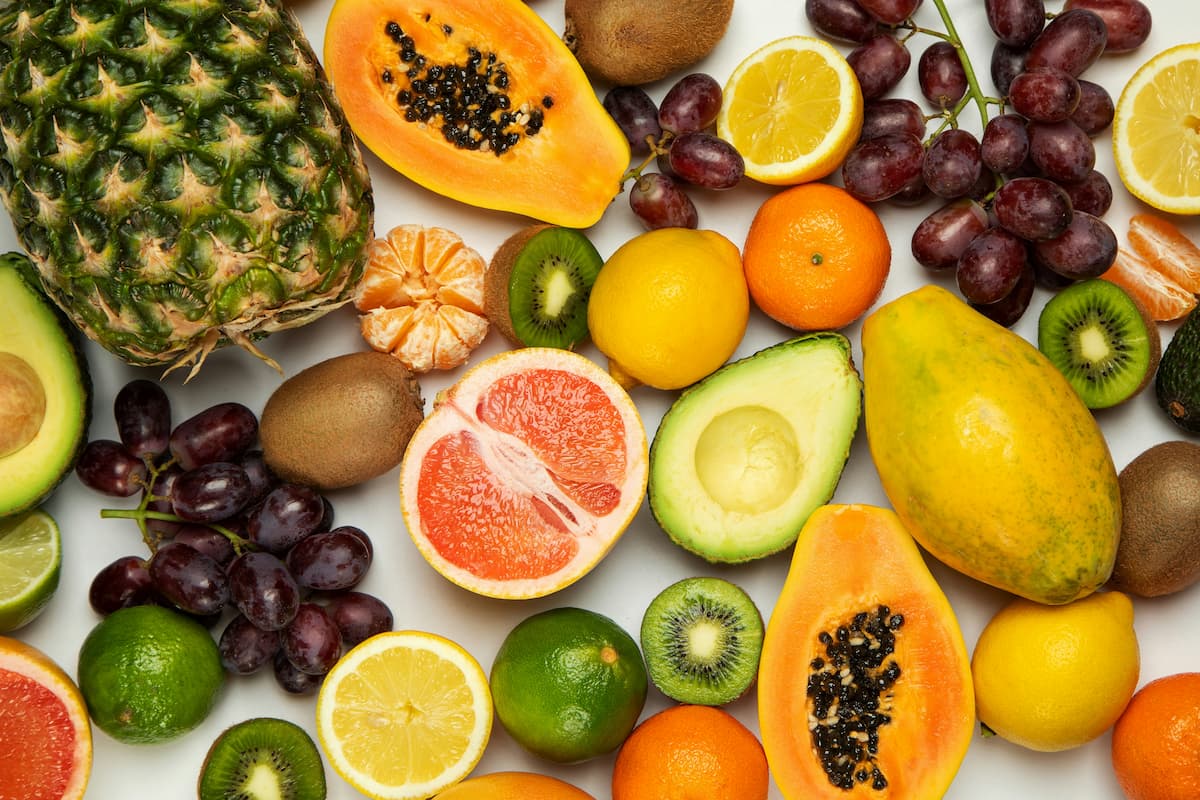
During pregnancy your body works 24/7, creating new life. This process requires a huge amount of "building materials" — vitamins, minerals, and other nutrients. Ensuring their adequate intake is one of the most important aspects of caring for your baby's health and your own well‑being. Balanced nutrition is the foundation, but a pregnant woman's needs increase so much that without additional intake of special vitamin complexes it is practically impossible to manage. Let's find out which nutrients are most important during this responsible period.
"The Big Four": the most important nutrients for pregnant women
Although all vitamins and minerals are important, some of them play an absolutely critical role in the child's development.
1. Folic Acid (Vitamin B9)
This is, without exaggeration, nutrient #1, especially during the planning stage and in the first trimester.
- Why it's needed: Folic acid plays a key role in the formation of the fetal neural tube — the future brain and spinal cord. Its deficiency in early stages can lead to serious congenital defects.
- How much is needed: The recommended dose is 400–800 µg per day. Since the neural tube forms before many women even know they are pregnant, taking folic acid as a supplement is advised to start 2–3 months before planned conception. More details are in the article about vitamins during the preparation stage.
- Food sources: Green leafy vegetables (spinach, broccoli), lentils, avocado, citrus fruits. However, obtaining the necessary dose from food alone is practically impossible.
2. Iron
- Why it's needed: During pregnancy the blood volume in a woman's body increases by almost 50%. Iron is needed for the production of hemoglobin, which carries oxygen to all cells of your body and to the baby.
- Why deficiency is dangerous: Iron deficiency leads to anemia, which manifests as severe fatigue, weakness, dizziness, and increases the risk of preterm labor.
- Food sources: Red meat, liver, poultry, fish, buckwheat, beans, spinach. For better absorption of iron from plant sources, combine them with foods rich in vitamin C (bell pepper, citrus, berries).
3. Calcium
- Why it's needed: It is the primary building material for the bones, teeth, heart, nerves, and muscles of your baby.
- Important nuance: If the baby does not get enough calcium from your diet, it will start "taking" it from your bones and teeth, which can lead to problems in the future.
- Food sources: Dairy products (milk, cheese, yogurt), almonds, sesame, broccoli, white cabbage.
4. Vitamin D
- Why it's needed: It works together with calcium, helping it to be absorbed. Vitamin D is also important for the immune system and the child's bone development.
- Why it's often deficient: The main source of vitamin D is sunlight. In our climate, especially during the autumn‑winter period, obtaining enough of it is almost impossible.
- Food sources: Fatty fish, egg yolks. Practically all pregnant women are recommended to take vitamin D as a supplement.
Other important "building blocks" for development
- Iodine: Critically important for brain and thyroid development. Be sure to use iodized salt.
- Protein: Necessary for the growth of the baby's tissues and organs, as well as the uterus and placenta.
- Omega‑3 fatty acids (especially DHA): Important for brain and eye development. The main source is fatty sea fish. Choose safe varieties with low mercury content.
The role of prenatal vitamins
Even with an ideally balanced diet, meeting all the needs of a pregnant body solely through food is very difficult. That’s why prenatal vitamins are not a luxury but a necessity. They act as a kind of "insurance" that ensures you and your baby receive all the key nutrients in the right amounts.
Important: Never prescribe vitamins to yourself! Your doctor should select the complex and dosage based on lab results. An excess of certain vitamins, especially the fat‑soluble vitamin A (retinol), can be toxic to the fetus.
Proper nutrition combined with doctor‑prescribed vitamins is the best expression of care for your child even before birth.