Finding out that you're expecting not one, but two or even three babies at once is news that brings double joy, double excitement and, of course, double questions. A multiple pregnancy is a unique and special experience that differs from a singleton pregnancy. It requires more careful medical monitoring, greater attention to one's own health, and special preparation for future parenthood. This article will help you understand the specifics of multiple pregnancy and prepare for meeting your miracles.
How does a multiple pregnancy occur?
There are two main mechanisms by which twins arise:
- Dizygotic (fraternal) twins: This is the most common type (about 70% of twins). In a woman's body, two eggs mature and are released from the ovaries at the same time, and each is fertilized by a separate sperm. These children are genetically different, like ordinary brothers and sisters, and can be of the same or different sex. They always have separate placentas and amniotic sacs.
- Monozygotic (identical) twins: This variant is less common. A single fertilized egg early in development splits into two parts, each developing into a separate embryo. These children are genetically identical (twins), always of the same sex and look very similar. Depending on the stage at which the split occurs, they may share a placenta and amniotic sac, which requires more careful monitoring.
Triplets and higher-order multiples can arise from either scenario or a combination of them.
Factors that increase the chances of a multiple pregnancy
- Hereditary factors: A tendency to have dizygotic twins can be passed down the maternal line.
- Maternal age: Women over 35 more often have cycles that release multiple eggs. More details can be found in the article \"Age and Fertility\".
- Infertility treatment: Ovulation stimulation and extracorporeal fertilization (ЕКЗ) significantly increase the chances of a multiple pregnancy.
- Number of previous pregnancies: The more pregnancies a woman has had, the higher the probability.
Features of the course of a multiple pregnancy
Expecting two or more babies puts additional strain on the mother's body, so such a pregnancy is automatically considered high-risk and requires more frequent and thorough medical monitoring.
- More pronounced symptoms: Morning sickness, fatigue, heartburn, and back pain usually appear more intensely due to higher hormone levels and greater load.
- Faster weight gain: The recommended weight gain for women with twins is higher, about 16-24 kg.
- Increased risk of complications: Multiple pregnancies more often encounter such complications as anemia, gestational diabetes, preeclampsia.
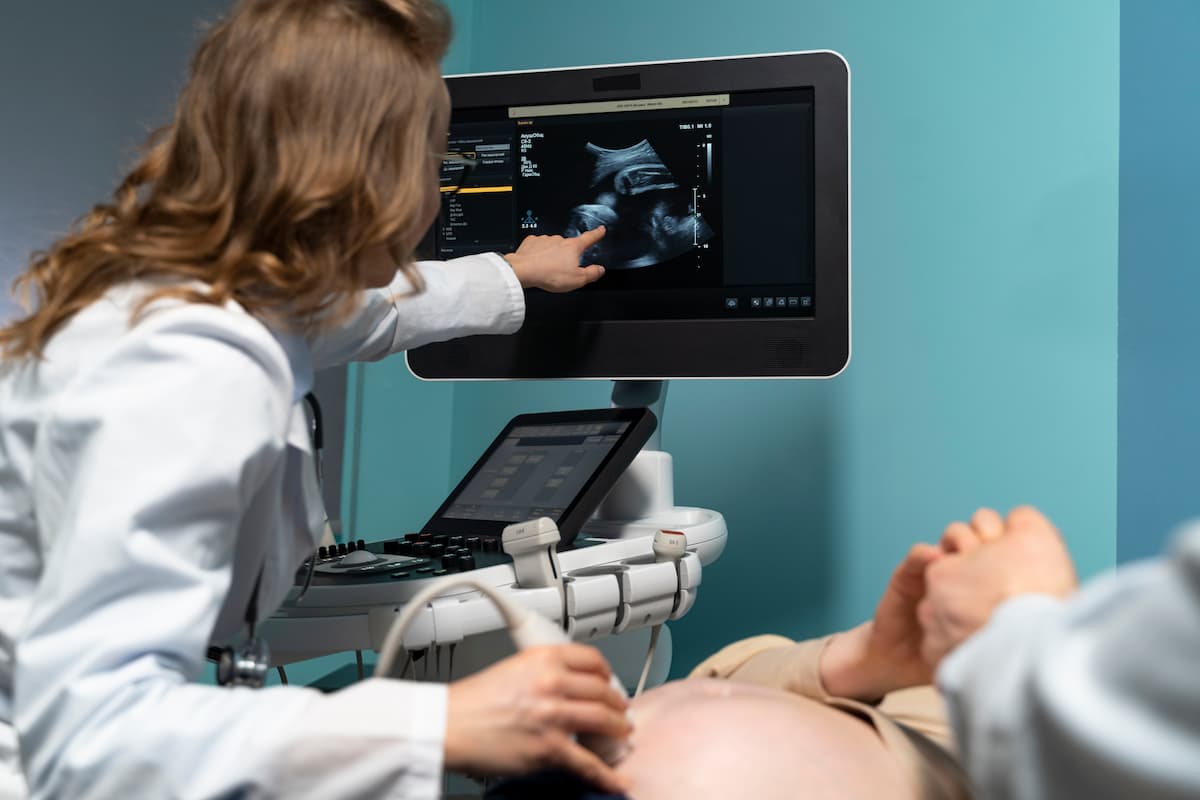
- More frequent doctor visits: You will need to have ultrasounds and lab tests more often to monitor the babies' development and your own condition. This is an important part of prenatal care.
- Preterm labor: This is the most common risk. Most twins are born before 40 weeks, usually at 35-37 weeks. Triplets even earlier.
- Cesarean section: Although natural twin deliveries are possible, cesarean sections in multiple pregnancies are performed much more often, especially if one of the babies is in a breech position.
Practical tips for future parents of twins
- Find your \"own\" doctor. It is very important to find a specialist who has experience with multiple pregnancies and whom you fully trust.
- Focus on nutrition. The need for calories, protein, iron, folic acid, and other nutrients is higher. Discuss your diet with your doctor.
- Rest more. Your body is working overtime. Don't hesitate to ask for help, reduce your workload, and allow yourself to rest during the day.
- Prepare in advance. Since the delivery will likely be early, preparation for it and baby shopping should start earlier. The birth bag should be ready by week 28-30.
- Seek community. Connecting with other parents of twins or triplets is an invaluable source of support, advice, and understanding.
Multiple pregnancy is a unique and often challenging journey. However, careful medical supervision, self-care, and proper preparation will help you navigate it calmly and confidently, preparing for the meeting with your double (or triple) joy.