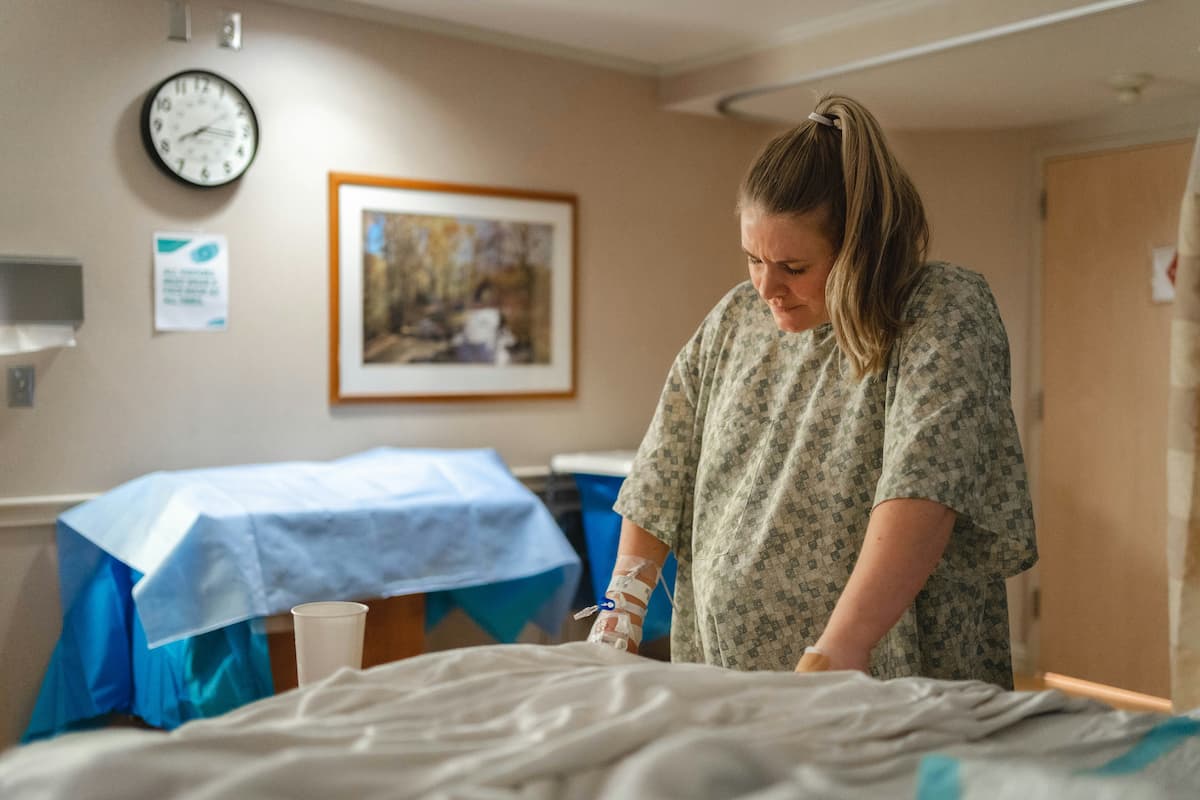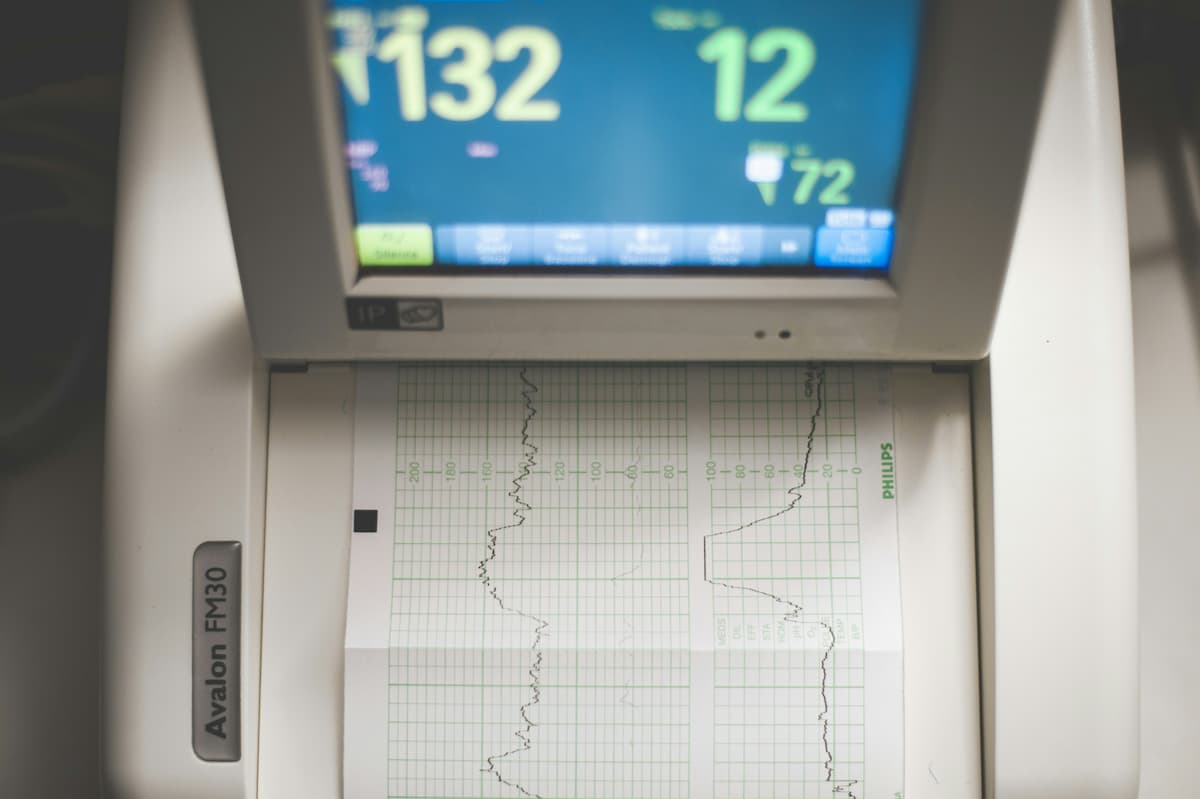
Labor is an amazing and powerful process, the culmination of your nine‑month journey. Understanding the stages that make up this marathon, what happens to your body and baby at each one, turns fear of the unknown into confidence and strength. Labor is not a chaotic event, but a coordinated work of your body that follows a clear sequence. Knowing these stages will help you cooperate better with your body, the medical team, and your partner, making the birth of your child more manageable and conscious.
Classically, labor is divided into three main periods.
First period: cervical dilation
This is the longest stage of labor, which can last from several hours to a day, especially if this is your first labor. Its goal is the gradual dilation of the cervix to 10 centimeters so the baby can pass through the birth canal. This period, in turn, is divided into three phases.
1. Latent (hidden) phase
- What happens: The cervix softens, shortens, and dilates from 0 to 3‑4 centimeters. You feel the first true contractions.
- What it feels like: Contractions are not yet very intense, similar to menstrual cramps, lasting 30‑45 seconds with intervals of 5‑30 minutes. They are irregular, but unlike practice contractions, they do not disappear. You can still walk, talk, eat light food.
- What to do: This is the best time to stay at home. Try to rest, walk, take a warm shower. Start timing the intervals between contractions.
2. Active phase
- What happens: Cervical dilation progresses faster, from 4 to 7‑8 centimeters.
- What it feels like: Contractions become significantly longer, stronger, and more regular. They last 45‑60 seconds every 3‑5 minutes. Talking during contractions becomes difficult. At this stage most women head to the birthing center. It is a time to consider pain‑relief methods if you have planned them.
- What to do: Focus on breathing, change your body position (walk, lean on your partner, use a fitness ball). Partner support, if you have partner birth, is now extremely important.
3. Transition phase
- What happens: This is the shortest but most intense phase. The cervix dilates from 8 to 10 centimeters.
- What it feels like: Contractions are very strong, long (60‑90 seconds) and frequent (every 2‑3 minutes). You may feel pressure on the rectum, trembling, nausea. Emotionally this is the toughest moment, you may feel "I can’t go on". This is a signal that you are almost at the finish line!
Second period: birth of the baby
This stage begins when the cervix is fully dilated (10 cm) and ends with the birth of your baby. It can last from 20 minutes to 2‑3 hours.
- What happens: As the baby descends the birth canal, it presses on the pelvic floor, triggering an irresistible urge to push (bearing down).
- What it feels like: The pain of contractions may change to a strong pressure and stretching sensation. Many women feel relief because they can now actively participate in the process, helping the baby to be born.
- What to do: Listen to the instructions of the doctor and midwife. They will tell you when to push and when to "rest" between pushes so that the baby's head crowns smoothly. This is the most responsible and active part of your teamwork with the baby.
Third period: birth of the placenta
The shortest and usually painless stage, lasting from 5 to 30 minutes.
- What happens: After the baby is born, the uterus starts contracting again to separate and expel the placenta ("afterbirth").
- What it feels like: You may feel a few mild contractions. The doctor may ask you to bear down a little.
After the placenta is delivered, labor is considered complete. The doctor will examine the birth canal and, if there are any tears, will place stitches. For you, the most magical period begins — the first hours of getting to know your newborn miracle, skin‑to‑skin contact time, and the first breastfeeding.
Each labor is unique, and its duration can vary widely. Knowing these stages is your roadmap that will help you orient yourself and feel confident at every step of this amazing journey.