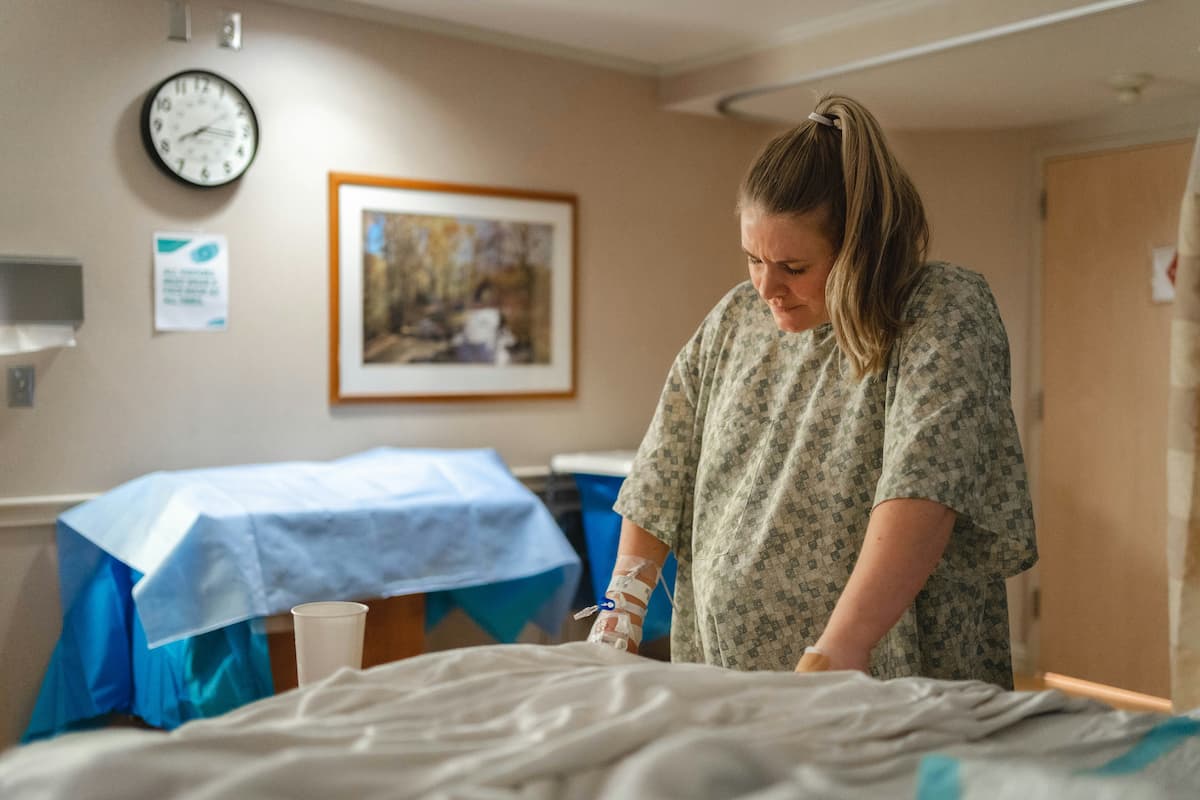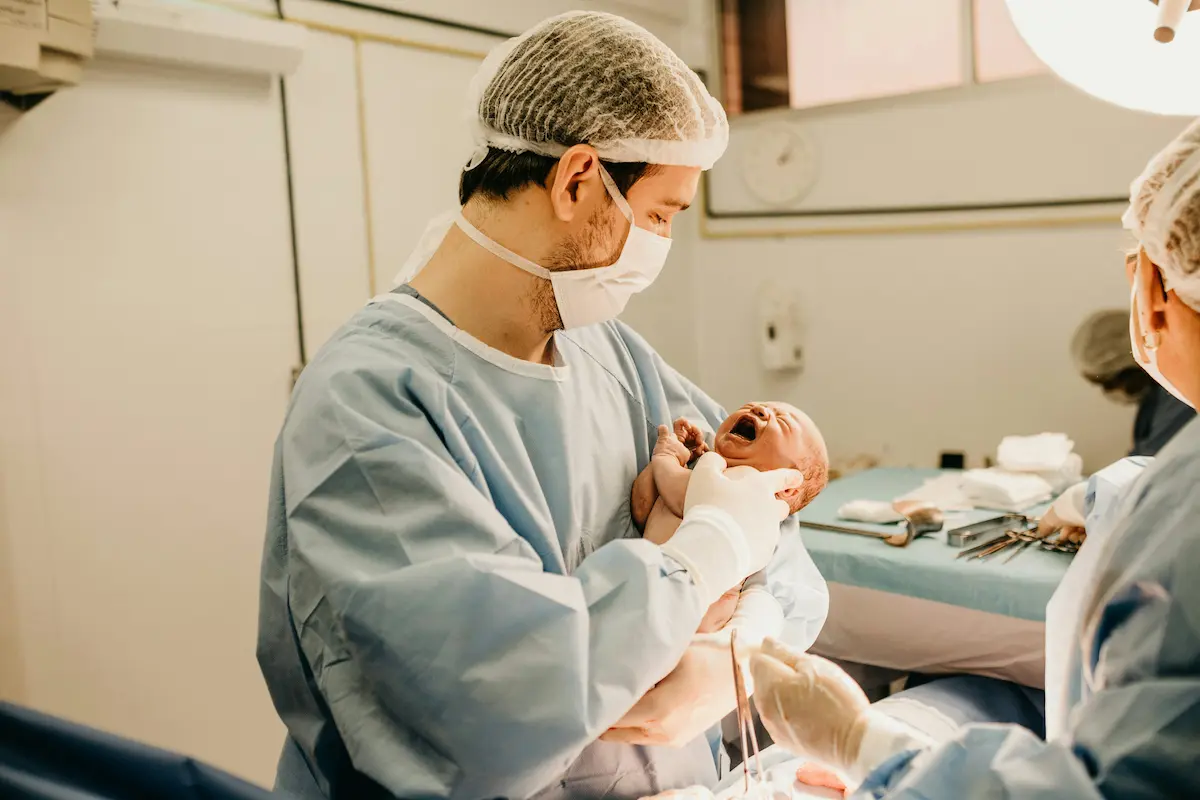
The pain during labor is probably one of the biggest fears of expectant mothers. It is important to understand right away: labor pain is a physiological, \"productive\" process that helps the baby come into the world. However, its intensity and perception are deeply individual. Fortunately, the days when a woman had to endure it at any cost are long gone. Modern medicine offers a wide arsenal of pain‑relief methods—from natural relaxation techniques to effective medical interventions. Knowing these methods allows a woman to make an informed choice, feel more confident, and turn labor into a positive experience.
Non‑pharmacological methods: the power of your body and mind
These methods aim to help the body cope with pain using its own resources. They are completely safe, have no side effects, and can be used at any of the stages of labor.
- Proper breathing: This is the most powerful tool for self‑analgesia. Slow, deep breathing at the beginning of contractions helps relax and oxygenate the blood. Frequent, shallow breathing (\"doggy breathing\") can help \"ride out\" the peak of a contraction. Mastering these techniques is best done in birth preparation courses.
- Movement and changing body position: Don’t lie on your back! Walking, swaying the hips, using a fitness ball, kneeling while leaning on the bed—all help the baby progress through the birth canal and ease the pain.
- Water procedures: A warm shower or a bath (if there are no contraindications) wonderfully relaxes muscles and reduces pain sensations.
- Massage: Lower‑back massage, which can be performed by a partner or doula, is especially effective during contractions. It not only relieves pain but also serves as a powerful form of emotional support.
- Relaxation and visualization: Music, aromatherapy, dim lighting—anything that helps you create a calm atmosphere and distract yourself.
Pharmacological methods: when help is needed
If non‑pharmacological methods do not provide the desired effect or labor is prolonged and exhausting, medicine comes to the rescue. The decision to use analgesia is always made jointly by the woman and the doctor.
1. Inhalational analgesics (\"laughing gas\")
- What it is: A mixture of nitrous oxide and oxygen that the woman inhales through a mask at the start of a contraction.
- How it works: It does not eliminate pain completely but dulls it, creating a light, relaxing effect. The action starts quickly and ends just as quickly.
- Advantages: The woman controls the process herself. Minimal impact on the baby.
- Disadvantages: May cause dizziness, nausea. Not always available in Ukrainian maternity hospitals.
2. Intravenous opioid analgesics
- What it is: Medications administered intravenously or intramuscularly.
- How they work: Reduce pain intensity and cause drowsiness, allowing the woman to rest between contractions.
- Disadvantages: May cause drowsiness not only in the mother but also in the baby, suppressing its breathing after birth. Therefore they are usually not given shortly before the baby is born.
3. Epidural and spinal anesthesia (\"spinal injection\")
This is the \"gold standard\" of modern labor analgesia.
- What it is: The anesthesiologist injects a local anesthetic into the space around the spinal cord (epidural or spinal). This blocks pain impulses from the lower part of the body.
- How it works: It is the most effective method, which can almost completely eliminate contraction pain while the woman remains fully conscious.
- When it is performed: Usually in the active phase of labor, when cervical dilation is 3–4 cm or more.
- Advantages: Maximum effectiveness, allows the woman to rest and conserve energy for the second stage of labor. It is the method of choice in some complications, e.g., high blood pressure.
-
Disadvantages and possible risks:
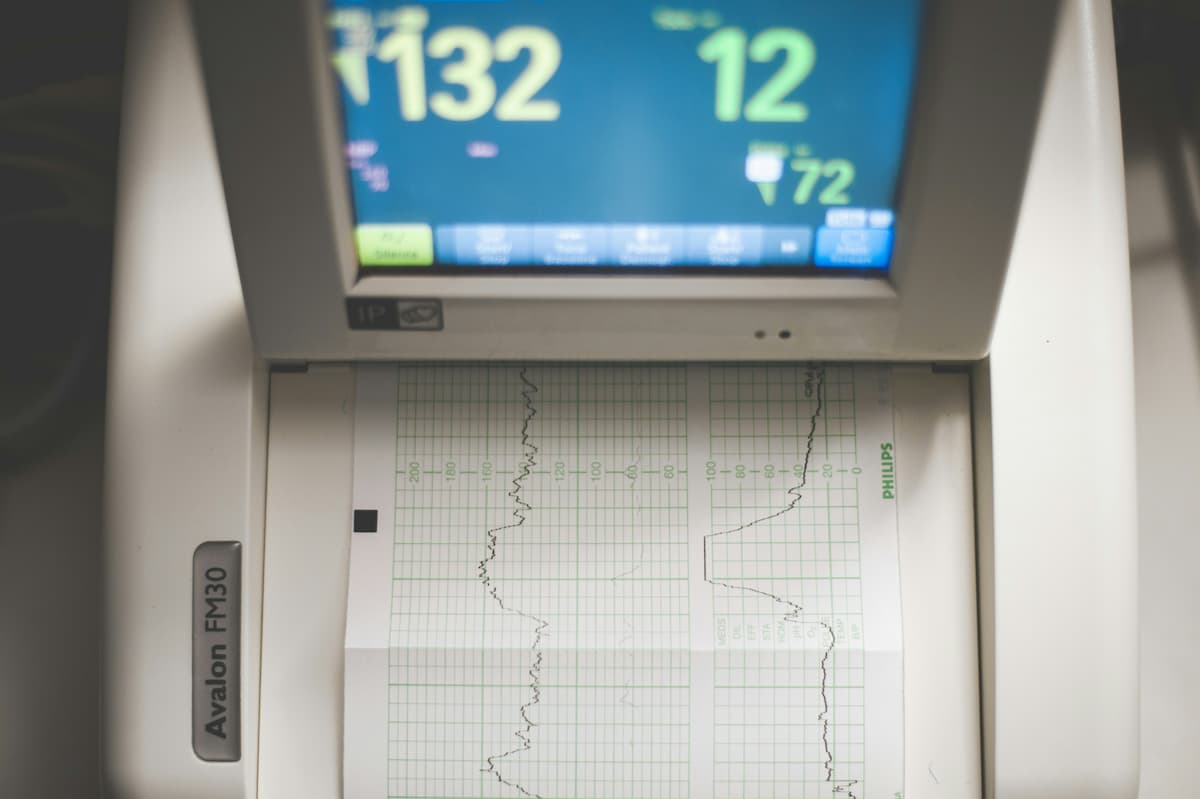
- Requires continuous monitoring of the mother’s and baby’s condition.
- May slightly prolong the second stage of labor (pushing).
- Requires staying in bed, limiting mobility.
- Possible side effects: lowered blood pressure in the mother, itching, postpartum headache (rare).
Your choice — your plan
The best strategy is to stay flexible. You can aim for a natural birth, but don’t blame yourself if you need medical analgesia during the process. Discuss all possible options with your doctor in advance and incorporate your preferences into the birth plan. Remember that there is no \"right\" or \"wrong\" way to give birth. The main goal is the health and comfort of you and your baby.