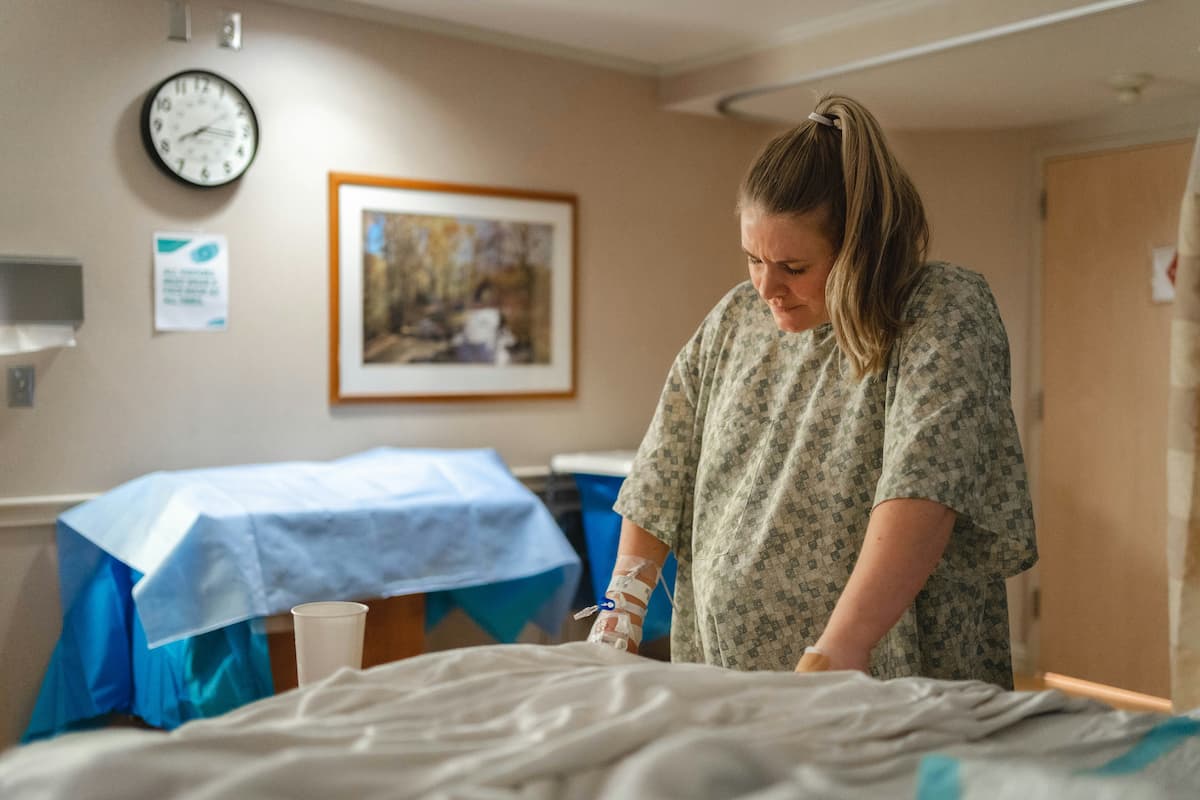
Preparing for the birth of a child is not only about gathering supplies and attending classes, but also about mentally preparing for one of the most important days of your life. A birth plan is a wonderful tool that helps you organize your thoughts, discuss expectations with your partner and doctor, and feel more confident and prepared. It is not a strict contract or instruction for medical staff, but rather a list of your wishes and guidelines that helps establish effective communication with your medical team.
What is a birth plan and why is it needed?
A birth plan is a written document in which you briefly and clearly outline your preferences regarding the process of your child's birth. It serves as a great catalyst for dialogue and has several important purposes:
- Helps you understand. To create a plan, you will need to study information about different types of birth, stages of labor and methods of pain relief. This makes you a more informed and conscious participant in the process.
- Facilitates communication with the doctor. Discussing the plan with the doctor in advance allows you to align your wishes with the capabilities of the birthing facility and medical protocols.
- Serves as a guide for medical staff. During labor you may be unable to articulate your thoughts clearly. A plan attached to your handoff card will help the midwife and the on‑call team better understand your needs.
- Defines the partner's role. The plan clearly outlines what participation your partner will have if you have planned partnered births.
Key rule: be flexible
It is important to remember that labor is an unpredictable process. Your plan is an ideal scenario, but the primary priority always remains safety of you and your baby. Be prepared for possible complications that may require deviation from the plan. Trust your medical team — they act in your best interests.
What to include in your birth plan: structure and ideas
Write briefly, clearly, and politely. An ideal plan fits on a single A4 page.
1. Basic information
- Your name, partner's name, contact information.
- Your doctor's name, with whom you have arranged (if any).
- Brief information about your pregnancy (gestational age, any special considerations).
2. Atmosphere and surroundings
- Who would you like to have present at the birth (husband, mother, doula)?
- Would you like dim lighting, your own music, use of an aromatherapy lamp?
- Do you consent to the presence of medical students?
3. First stage of labor (early labor)
- Mobility: "I would like to move freely, walk, use a birthing ball as much as possible".
-
Pain relief:
- "I would like to first try non‑pharmacological methods: shower, massage, breathing".
- "I am open to epidural anesthesia and would like to discuss its use when the pain becomes too intense".
- Or: "I would like to avoid medication‑based pain relief unless there are medical indications".
- Monitoring: "I prefer intermittent fetal heart rate monitoring to maintain mobility".
4. Second stage of labor (pushing)
- Position: "I would like to try giving birth in a vertical position or on my side".
- Episiotomy (perineal cut): "I request episiotomy only if there are urgent medical indications".
- First contact: "I request that immediately after birth the baby be placed on my abdomen for skin‑to‑skin contact".
5. Immediately after birth
- Umbilical cord: "I request that the cord be allowed to pulse before clamping". "I would like my husband to cut the cord".
- Initial procedures: "I request that all necessary examinations and weighing of the baby be performed after the first hour of skin‑to‑skin contact, provided the baby’s condition is satisfactory".
- Feeding: "I plan to breastfeed and would like assistance with the first latch as soon as possible".
When to create and discuss the plan?
The optimal time to draft the plan is around the 32–34 week of pregnancy. Be sure to discuss it with your doctor at one of the scheduled visits (at 35–36 weeks). This will give you time to make adjustments and understand which of your wishes are realistic. Print several copies: one for yourself, one for the handoff card, and one for your partner.
A birth plan is your tool for conscious and active participation in the birth of your own child.