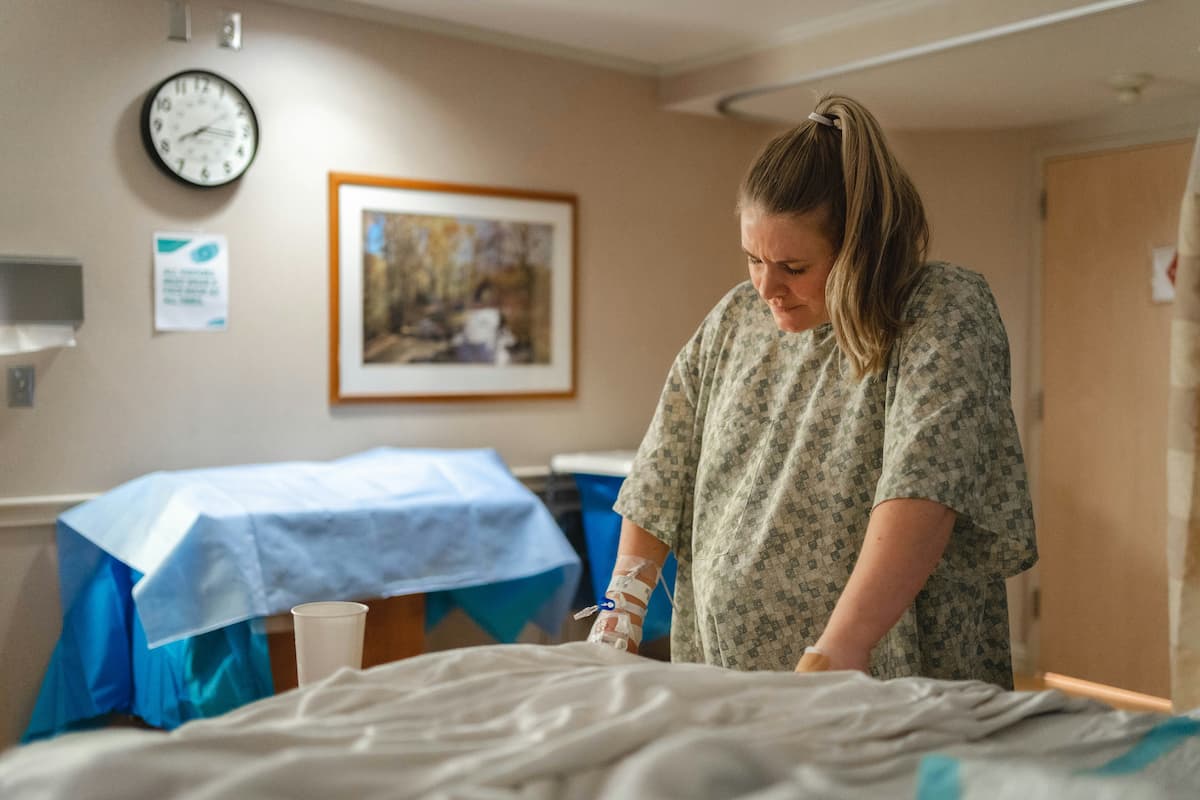
When the long‑awaited day of meeting the baby approaches, expectant parents have many questions about the birth process itself. “How will it actually happen?”, “Will I be able to give birth on my own?”, “What if surgery is needed?”. Modern medicine offers several ways of delivering, and the choice of a specific method depends on many factors: the mother’s health, the baby’s position, the course of the pregnancy, and individual characteristics. Understanding the different types of birth will help you prepare for possible scenarios and make informed decisions together with your doctor.
Natural Birth (Vaginal Birth)
It is a physiological process provided by nature itself. Labor begins spontaneously (usually between the 37th and 42nd weeks), proceeds through three main stages (cervical dilation, birth of the baby, and delivery of the placenta) and ends with the baby’s arrival into the world through the natural birth canal.
-
Advantages:
- Faster recovery for the mother after birth.
- Lower risk of infection and blood loss compared to surgery.
- Promotes a better initiation of lactation.
- As the baby passes through the birth canal, it is colonized by beneficial maternal microflora, which is important for its immunity.
-
Varieties and Interventions:
- Partner birth: Presence and support of a partner, mother or doula.
- Vertical birth: The woman gives birth in a vertical position, which can speed up the process.
- Water birth: Helps relax and reduce pain.
- Medicinal pain relief: Use of epidural anesthesia to ease pain.
- Labor stimulation: Applied for medical indications if labor does not start on its own or there are risks for the mother or baby.
Cesarean Section
A cesarean section is a surgical operation during which the baby is removed through an incision in the mother’s abdomen and uterus. This method of delivery is essential in situations where natural birth is impossible or unsafe.
There are two types of the operation:
-
Planned cesarean section: Scheduled in advance, during pregnancy, when there are clear medical indications. The operation date is coordinated with the doctor.
Main indications for a planned operation:
- Placenta previa.
- Abnormal fetal position (breech, transverse).
- Multiple pregnancy (triplets or certain cases of twins).
- Certain maternal conditions (severe heart disease, vision problems, HIV infection).
- Anatomically narrow pelvis.
- Presence of a uterine scar from previous surgeries.
-
Emergency cesarean section: The decision for surgery is made during natural labor if complications arise that threaten the life or health of the mother or baby.
Main indications for an emergency operation:
- Weak labor activity that cannot be corrected.
- Acute fetal hypoxia (lack of oxygen).
- Placental abruption.
- Advantages: In certain situations it is the only safe method that saves lives.
- Disadvantages: Like any surgery, it carries risks (infection, blood loss, anesthesia complications). Recovery after a cesarean section is longer and more difficult than after natural birth.
Vaginal Birth After Cesarean (VBAC)
It is an attempt at natural birth in a woman who previously delivered by cesarean section. It used to be believed that “once a cesarean—always a cesarean,” but today the approach has changed. VBAC is possible under certain conditions (type of uterine scar, reason for the previous surgery, absence of contraindications in the current pregnancy) and is performed only in birthing centers that have the capacity to provide emergency care.
Which type of birth is better?
There is no “better” or “worse” type of birth. There is a **safest** one for a particular woman and her baby in a given situation. The goal of birth preparation is not to gear up at any cost for a single scenario, but to be ready for various possibilities. Discuss all possible scenarios with your doctor, create a flexible birth plan, and most importantly, trust your medical team. The main outcome of any birth is a healthy mother and a healthy baby.